

With outdoor solar lighting becoming more common in modern homes, many homeowners are beginning to explore additional features that offer safety, efficiency, and convenience. One such feature is motion sensing. Traditional garden solar lamps are designed primarily for decoration and ambient lighting, but a new category has emerged offering motion activation for improved functionality. This raises an important question: Are garden solar lamps with motion sensor really good? To answer this, we need to understand how they work, what advantages they offer, and where they perform best compared to standard garden lights.
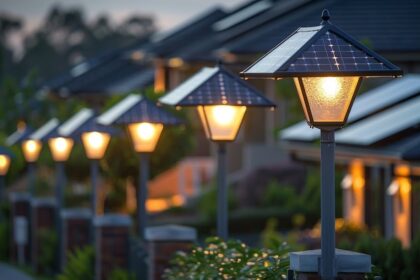
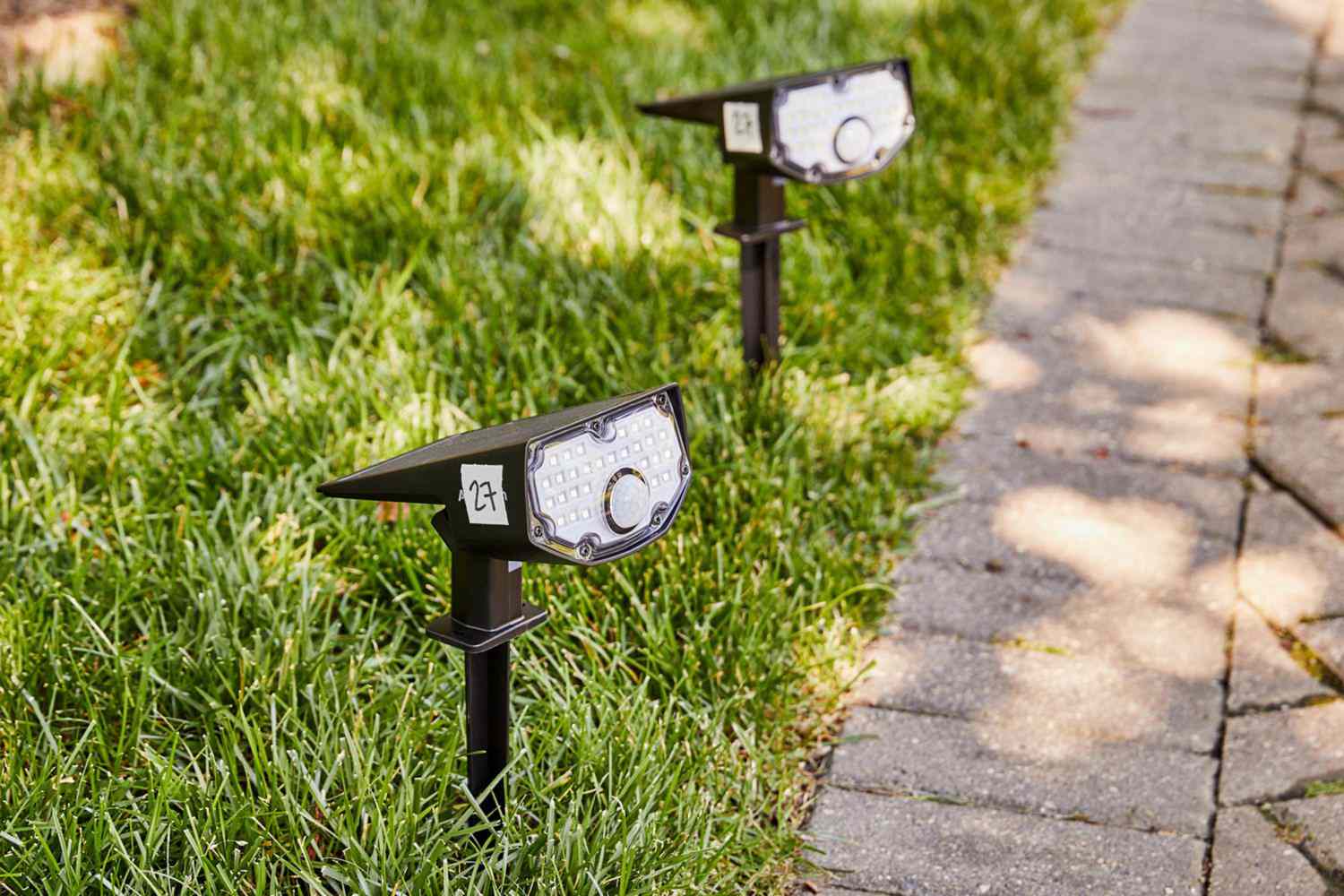
Garden solar lamps with motion sensors differ from ordinary decorative lights because they are designed to activate when movement is detected within a certain range. Typically, they use PIR (Passive Infrared) sensors that recognize changes in heat and movement, triggering the lamp to turn on or increase brightness. During normal conditions, these lamps may stay dim or completely off to conserve battery power. When a person, pet, or vehicle passes by, the lamp brightens automatically. This behavior makes them practical for improving visibility in gardens, protecting property, and increasing safety around pathways and backyard entrances, especially at night.
Why Motion Sensor Solar Lamps Work Well in Gardens
Gardens often become dark at night, and movement within them can be difficult to detect. Whether you’re watering plants in the evening, letting pets roam, or using the backyard for gatherings, having lights that activate automatically makes the space more functional. Motion sensor solar lamps help bridge the gap between decorative lighting and practical visibility. They offer free, renewable lighting that reacts to real-time movement, reducing the need for constant illumination throughout the night.
The primary advantage is energy efficiency. Standard solar garden lamps may run at full brightness until their battery drains, especially during monsoon seasons or cloudy days when charging is weak. Motion-based lamps preserve battery power by operating only when necessary. This allows them to perform better in winter and rainy seasons, maintaining sufficient battery reserves for night use. For homeowners who want reliable garden illumination without electricity usage, motion-based systems offer a smart balance between power saving and utility.
Use Cases Where Motion Sensor Lamps Excel
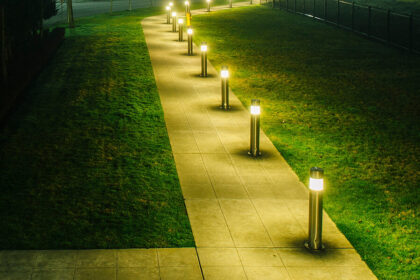
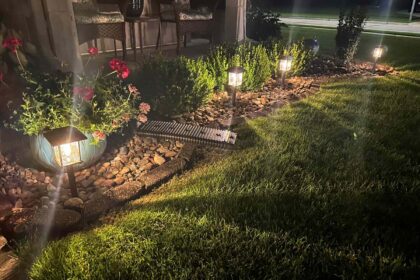
Garden solar lamps with motion sensor perform exceptionally well in areas where safety and visibility matter. Pathways, garden entrances, backyard gates, vegetable patches, and tool sheds benefit from motion-triggered lighting. When someone walks through these spaces, the lamp brightens, reducing the risk of tripping or stepping on obstacles. Large gardens and farmhouses often use motion-sensor solar lamps to monitor movement at night without relying on wired floodlights or CCTV illumination.
These lamps are also helpful for deterring animals and intruders. Sudden illumination can scare away stray animals or alert homeowners to unexpected activity. In suburban and rural areas where wildlife is common, motion-triggered lights provide a harmless way to discourage nighttime visitors without keeping bright lights on constantly. Similarly, properties with back doors or side gates feel more secure when equipped with motion detection lighting.
Differences Compared to Regular Garden Solar Lamps
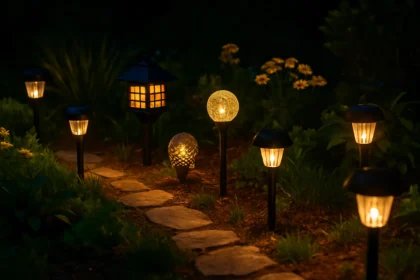
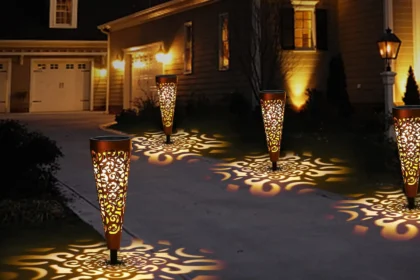
Regular garden solar lamps focus on aesthetics. They produce soft, constant illumination designed to make gardens look beautiful. They are often installed along pathways, around lawns, or near plants for decorative effect. These lights are not meant for high brightness or security; they serve primarily as accents. Motion sensor lamps, meanwhile, prioritize functionality. Their brightness levels are usually higher, making them more suitable for movement-focused zones rather than pure decoration.
However, newer models combine both worlds by offering dual modes: a low-intensity ambient light mode and a bright motion-activated mode. This hybrid design caters to homeowners who want both beauty and practicality. Unlike traditional decorative solar lights, motion-based models usually feature larger batteries, stronger LEDs, and better waterproof housing to support consistent performance year-round.
Weather Resistance & Battery Performance
Garden environments expose lamps to rain, moisture, dust, and plant contact. Motion sensor solar lamps are generally built with stronger sealing and higher waterproof ratings (often IP65) compared to low-cost decorative stakes. This ensures the sensor and circuitry remain protected during heavy rainy seasons or winter frost. Battery performance is another important factor. Because motion sensor models operate in bursts rather than continuously, they often achieve longer runtimes even when charging is limited due to cloudy weather.
Many motion-based lamps use lithium-ion or LiFePO4 batteries because they support faster charging and longer lifecycle compared to Ni-MH batteries found in cheaper decorative lights. This makes them suitable for larger gardens, rural homes, and properties that require lighting during late-night hours.
Limitations to Consider
Although garden solar lamps with motion sensor offer several advantages, they also come with certain limitations. The motion sensor range may vary depending on lamp placement, surrounding plants, or obstructions. Sensors may not detect movement effectively through dense vegetation, fences, or walls. Another factor is brightness level—while great for visibility, motion-based lights may appear brighter than desired in spaces meant purely for decoration.
Additionally, if the garden is frequently visited by pets or wildlife, motion lamps may activate more often, which can drain battery power faster. This is not necessarily a disadvantage but something homeowners should be aware of depending on garden activity and location.
Final Verdict: Are They Good?
So, are garden solar lamps with motion sensor good? Yes—if the goal is to enhance safety, visibility, and energy efficiency. They are excellent for pathways, backyards, gated entrances, vegetable patches, tool areas, and any part of the garden requiring functional illumination. While they are not a replacement for decorative solar garden lights, they complement them beautifully by adding practical lighting that activates only when needed. For households that want security and convenience in outdoor spaces without wiring, electricity bills, or maintenance hassles, motion sensor solar lamps offer an intelligent and cost-effective solution.