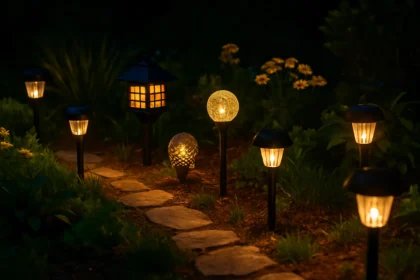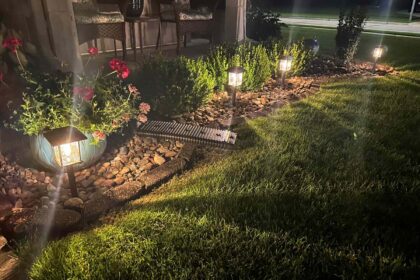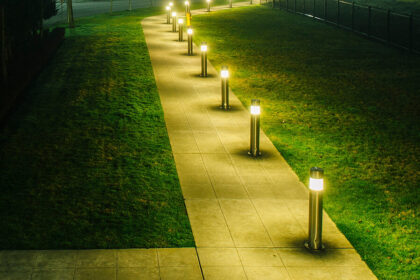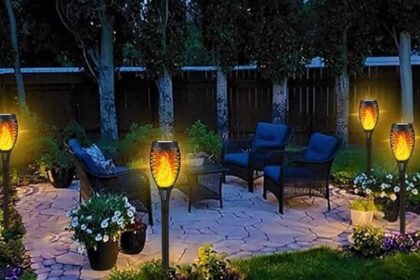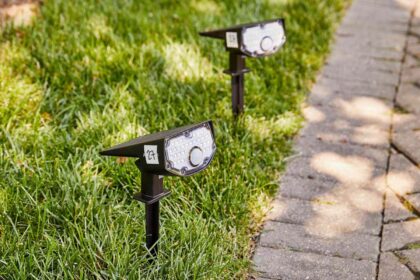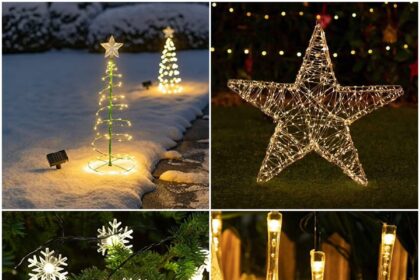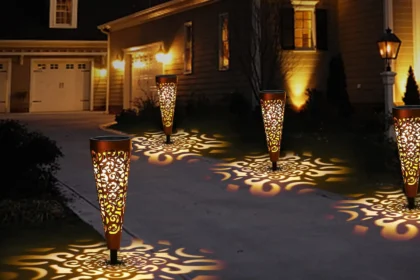
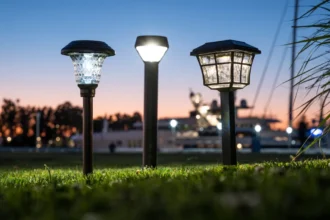

Garden solar lights have become a popular choice for homeowners who want to illuminate outdoor spaces without dealing with wiring, electricity bills, or frequent maintenance. They are used along pathways, lawns, flower beds, patios, and decorative landscapes to enhance both visibility and ambiance after sunset. However, one of the most common questions buyers have is: How long do garden solar lights last? Understanding their lifespan helps homeowners make smart purchasing decisions and maintain expectations regarding performance, battery life, and durability.
The lifespan of garden solar lights depends on several components working together: LED bulbs, solar panels, rechargeable batteries, and the light housing. Each of these parts has its own lifespan, which determines how long the entire lighting unit will remain functional. While LEDs generally last the longest, batteries and panels tend to degrade over time due to outdoor exposure, weather changes, and charging cycles. Despite this, modern solar lighting technology has improved significantly, making them far more durable than many users expect.
Average Lifespan of Garden Solar Lights
On average, garden solar lights last between 2 to 5 years depending on the quality of materials and battery type. Many premium solar garden lights continue functioning even beyond this period, although brightness levels may decrease as batteries age. LED bulbs inside solar lights have extremely long lifespans, often exceeding 50,000 hours, which translates to many years of night-time use. So it is rarely the LED that fails first—it is usually the battery or the solar panel.
Rechargeable batteries inside garden solar lights typically last 1.5 to 3 years before they start losing capacity. Battery degradation happens because batteries charge and discharge every day, and outdoor temperatures during summer and winter affect chemical stability. Lithium-ion and LiFePO4 batteries generally last longer than Ni-MH or Ni-Cd batteries, making them a better choice for durable garden lighting systems. Solar panels themselves can last 10 to 20 years, but their efficiency may decline slowly over time due to dust buildup, UV exposure, and weather conditions.
Factors That Affect Longevity
The question how long do garden solar lights last does not have a single fixed answer because several external factors influence lifespan. One major factor is weather exposure. Gardens experience rain, humidity, dust, and sometimes snow or frost. Lights with proper waterproofing (IP65 or higher) protect internal components from moisture damage, increasing overall lifespan. Cheaper models with low waterproofing often fail prematurely during monsoon seasons or winter.
Another factor is sunlight availability. Solar garden lights need sufficient sunlight to charge properly. In shaded gardens or during long rainy seasons, batteries may not recharge fully, leading to shorter runtimes at night and earlier battery degradation. Placement matters—lights installed under trees or near walls may not receive enough direct sunlight. High-quality solar lights with monocrystalline panels perform better in partial shade than cheaper polycrystalline models.
Usage pattern also affects life. Decorative pathway lights that run at low brightness tend to last longer than motion-sensor security lights that operate at high power bursts. Finally, material quality plays a role. Stainless steel and ABS plastic bodies resist rust and UV damage better than thin plastic enclosures that crack or fade over time.
Signs That Garden Solar Lights Are Aging
Like any outdoor device, garden solar lights show certain signs as they age or lose efficiency. The most noticeable sign is reduced brightness at night or shorter runtimes. If a light that once stayed on from dusk to dawn now runs only a few hours, the battery may be reaching its end. Flickering, dim lighting, or failure to turn on are also symptoms of declining battery capacity. In some cases, dust buildup on solar panels reduces charging efficiency, making lights appear weaker even though the components are fine.
Housing damage such as water infiltration, cracked lenses, or rust around screws may also indicate that a light is aging. Fortunately, most of these issues can be fixed if caught early, especially if the lamp body and panel are still functioning well. Often, replacing the battery restores brightness and extends lifespan significantly.
Can You Extend the Lifespan of Garden Solar Lights?
Yes. Homeowners can extend the lifespan of garden solar lights with a few simple habits. Keeping solar panels clean improves charging efficiency and prevents battery strain. Dust, pollen, and pollution buildup block sunlight, especially in urban areas. Cleaning with a soft cloth every few weeks can make a noticeable difference.
Replacing old batteries is another effective way to extend life. Many garden solar lights allow battery replacement, and upgrading to lithium batteries improves both performance and longevity. Checking waterproof seals and ensuring that lights are installed in sunny areas also improves lifespan. Taking solar lights indoors during extreme winter frost or during long wet monsoons can protect them from damage, especially if the model is not rated for harsh weather.
When to Replace vs Repair
If the LED still works and the housing is intact, replacing the battery is usually the best solution for dim or short-running lights. Batteries are inexpensive and easy to change. If the solar panel is cracked, the housing is broken, or water damage is severe, replacing the entire unit may be more practical. Fortunately, solar garden lights have become affordable, making replacement easier than repairing complex components.
Final Verdict
So, how long do garden solar lights last? With proper care and quality components, garden solar lights can illuminate pathways, lawns, and plants for several years with almost no maintenance. While batteries may need replacement every couple of years, LEDs and panels last much longer, making solar lighting a cost-effective and eco-friendly solution for outdoor spaces. Homeowners who choose lights with good waterproofing, lithium batteries, and durable external materials typically enjoy the longest lifespan. In a world where outdoor aesthetics and sustainability matter, solar garden lights remain one of the smartest investments for enhancing gardens day and night.