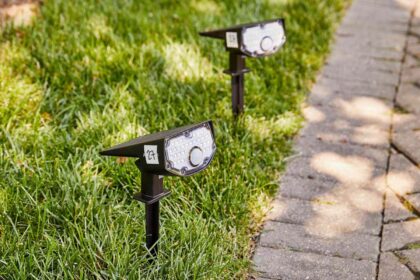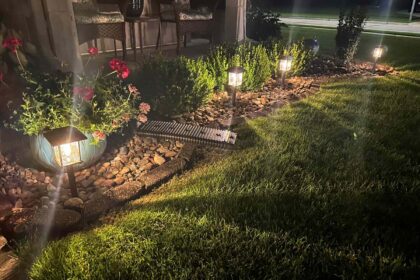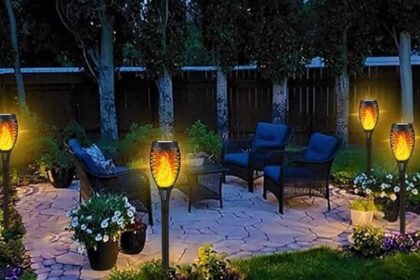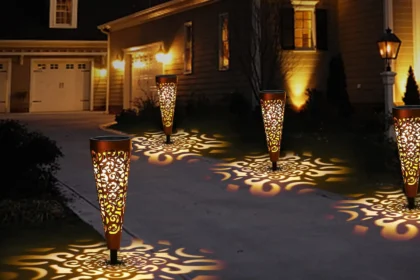
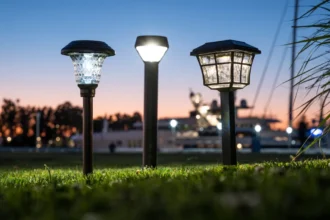
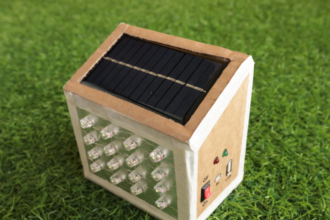

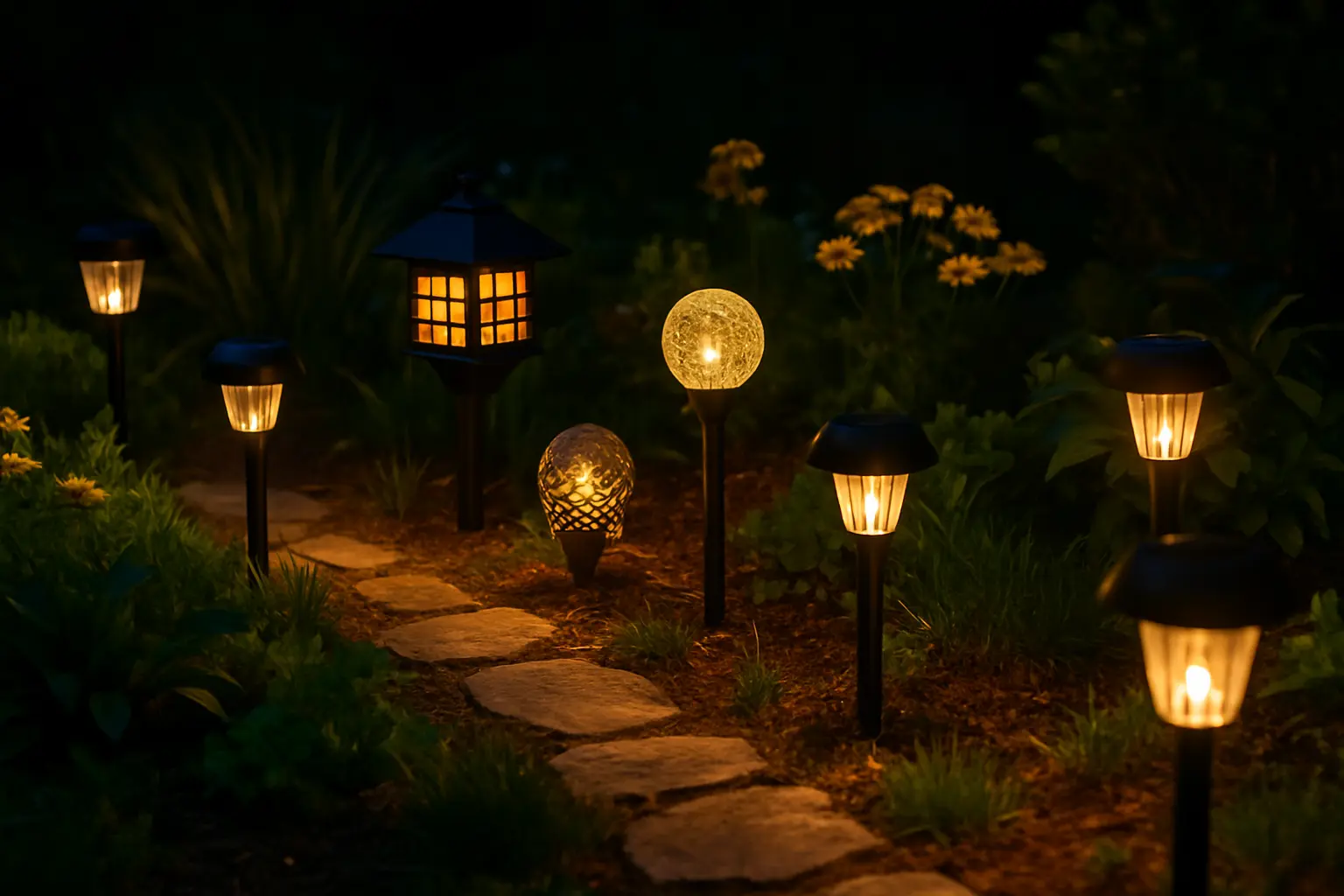
Solar garden lights are a convenient and eco-friendly way to illuminate pathways, lawns, flower beds, and decorative outdoor landscapes without using electricity or wiring. While they are generally low-maintenance, many homeowners eventually encounter performance issues after months or years of use. Understanding the common problems with solar garden lights (and fixes) helps ensure longer lifespan, better performance, and more value from your investment. Fortunately, most issues are fairly simple to diagnose and can be resolved without replacing the entire unit.
- Problem 1: Solar Lights Not Turning On
- Problem 2: Dim or Weak Lighting Output
- Problem 3: Lights Work for Only a Few Hours
- Problem 4: Solar Panel Not Charging Properly
- Problem 5: Water or Moisture Damage
- Problem 6: Sensor Malfunction or Delayed Activation
- Problem 7: Batteries Corroding or Failing Prematurely
- Final Verdict
Problem 1: Solar Lights Not Turning On
One of the most common problems with solar garden lights is that they fail to turn on at night. This can be caused by several factors. Sometimes, the internal switch is accidentally turned off during installation or cleaning. In other cases, the battery may be fully drained due to lack of sunlight, cloudy weather, or aging. Another overlooked reason is interference from ambient artificial lighting. If a solar light is placed near porch lights, streetlights, or wall lamps, the dusk sensor may think it is still daytime and refuse to activate.
Fix: Begin by checking the on/off switch and ensuring it is set to the correct position. Next, place the solar panel in direct sunlight for a full day to recharge the battery. If the lights still do not turn on, inspecting the battery is essential. Replacing the old battery with a new rechargeable one often solves the problem immediately. If sensor interference is the issue, relocate the light to a darker area of the garden.
Problem 2: Dim or Weak Lighting Output
Dim lighting is a frequent complaint, especially after many months of use. Weak lighting usually indicates reduced charging capacity or low battery health. Dust or dirt buildup on the solar panel prevents sunlight absorption, which leads to poor battery charging during the day. Older batteries may no longer hold charge efficiently, particularly during winter or monsoon seasons. In some cases, water infiltration or internal corrosion can weaken LED output.
Fix: Cleaning the solar panel with a soft cloth solves most dimming issues by restoring sunlight exposure. If dim output persists, replace the rechargeable battery with a fresh one. Lithium-ion and Ni-MH replacements are commonly available and affordable. Checking the waterproof seal and internal wiring for corrosion can also restore performance if water damage is detected early.
Problem 3: Lights Work for Only a Few Hours
Another of the common problems with solar garden lights is that they operate for just a short duration at night. This typically happens during rainy seasons, winter months, or in shaded gardens where panels do not receive enough sunlight. The battery may only achieve a partial charge, leading to reduced runtime. Aging batteries also lose capacity over time, reducing nighttime operation even during sunny months.
Fix: Relocating the solar light to an area with better sunlight exposure can immediately improve charging efficiency. Replacing older batteries with higher-capacity ones can also extend runtime significantly. Some models allow users to switch to energy-saving modes that reduce brightness in exchange for longer battery life on cloudy days.
Problem 4: Solar Panel Not Charging Properly
When the solar panel itself fails to charge the battery effectively, performance declines regardless of battery quality. Panel charging issues can result from accumulated dust, pollen, bird droppings, or pollution—especially in urban and industrial areas. Physical damage like cracks or loose wires can also stop charging functionality. Moisture inside the panel reduces efficiency and can lead to permanent failure.
Fix: Regular cleaning of the solar panel surface is a simple but effective maintenance habit. If wiring is loose, reconnecting or replacing the cable may fix the issue. For cracked or water-damaged panels, replacement is usually the best option because repairing sealed solar modules is not cost-effective.
Problem 5: Water or Moisture Damage
Solar garden lights are installed outdoors and are exposed to rain, humidity, sprinklers, and soil moisture. Poor waterproofing can allow water to seep into the inner components, causing rust, corrosion, and short circuits. Many low-cost models lack proper sealing, making them vulnerable during monsoon seasons. Water damage often causes flickering lights, dim output, or complete failure.
Fix: Choosing lights with IP65 waterproof ratings or higher reduces moisture-related issues. For existing units, checking the seal around the battery compartment and panel housing can help identify vulnerabilities. Applying silicone sealant on gaps or replacing rubber gaskets can temporarily improve waterproofing. Severely damaged units should be replaced to avoid ongoing issues.
Problem 6: Sensor Malfunction or Delayed Activation
Many solar garden lights have built-in dusk-to-dawn sensors or motion sensors. These sensors can malfunction due to dirt accumulation, aging, or interference from artificial light. When the sensor fails, lights may not turn on at night, may stay on during the day, or may react slowly to movement.
Fix: Cleaning the sensor area with a dry cloth often restores performance by removing dust or spider webs that interfere with detection. If the sensor is exposed to direct artificial light, relocating the lamp can improve functionality. For motion sensors, check the angle and coverage; sometimes adjusting the direction solves detection issues.
Problem 7: Batteries Corroding or Failing Prematurely
Rechargeable batteries are often the first component to degrade in solar lights. Overcharging, heat exposure, or frequent full discharges can shorten battery life. Corrosion around battery terminals can also interrupt electrical flow, causing intermittent or weak performance.
Fix: Replacing batteries with fresh rechargeable units revives most garden solar lights. Cleaning corroded terminals with vinegar or rubbing alcohol should restore contact if corrosion is mild. For best results, use lithium-ion or Ni-MH rechargeable batteries rather than cheap Ni-Cd cells.
Final Verdict
Understanding the common problems with solar garden lights (and fixes) allows homeowners to keep their outdoor lighting working efficiently without replacing entire units unnecessarily. Most issues stem from battery degradation, insufficient charging, dirt on solar panels, or exposure to moisture—all of which can be solved with simple maintenance or inexpensive replacement parts. With proper care and quality components, garden solar lights can provide several years of reliable illumination, making them a valuable addition to outdoor landscapes.