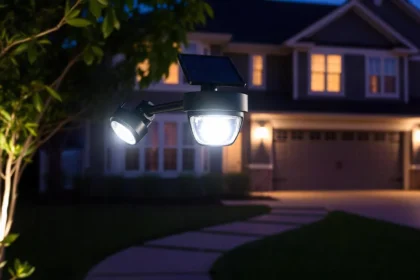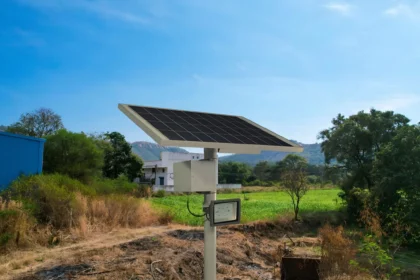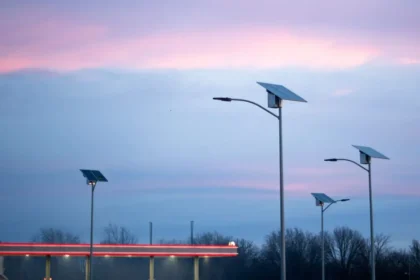
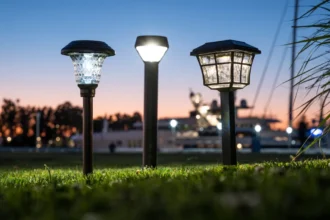


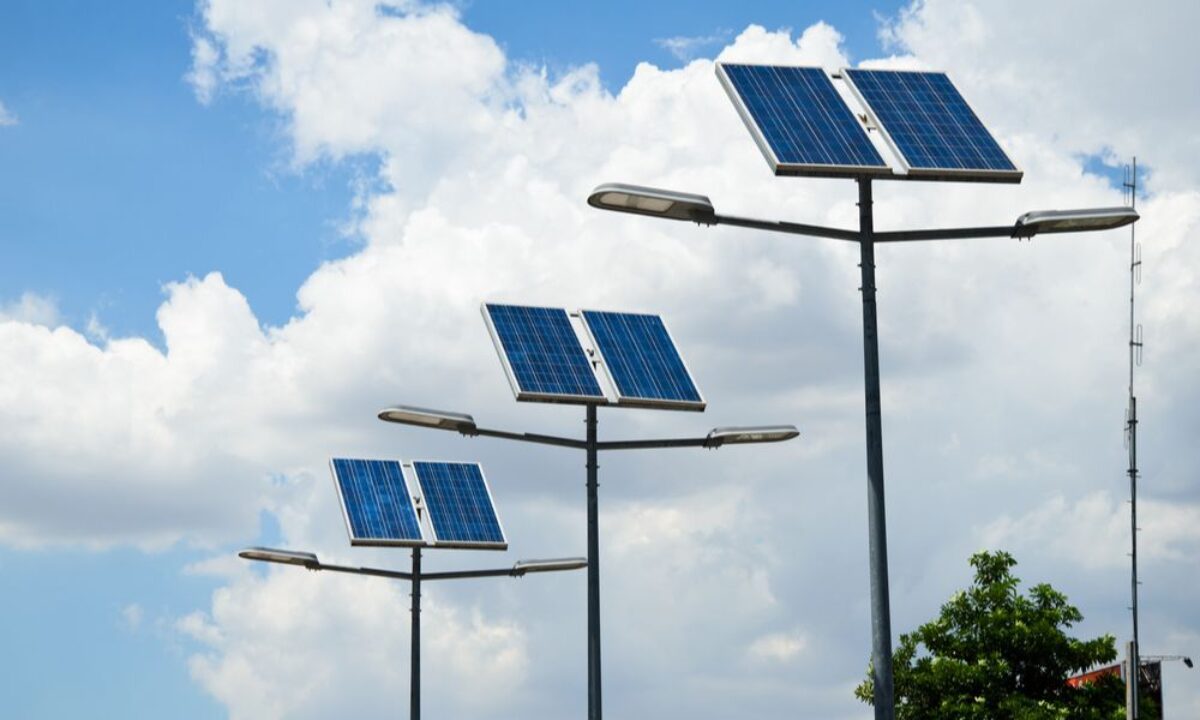
Choosing the right wattage is one of the most important decisions when purchasing a solar street light. Whether it’s for a residential society, industrial campus, rural road, parking area, or farmhouse, wattage determines how much brightness the lamp will produce and how large an area it will cover. Many buyers assume that higher wattage always means better lighting, but that is not always the case. The correct approach is to assess the environment, coverage requirements, pole height, and application before deciding. This guide explains how many watts solar street light you need based on real-world usage scenarios, helping you avoid over-spending or under-illuminating outdoor spaces.
Solar street light wattage is tied directly to lumen output, which measures visible brightness. Modern LED technology has improved efficiency to the point that even lower wattage lights can produce strong illumination. For example, a 30W LED can produce more than 3500 lumens, while a 60W LED may produce above 7000 lumens depending on the chip quality. This means that wattage selection is less about guessing and more about matching lighting performance to ground conditions. Factors such as the width of the road, expected traffic flow, pole spacing, and security requirements all influence wattage selection.
Understanding Wattage and Lumen Output
Before deciding how many watts solar street light is needed, it helps to understand how wattage translates into brightness. Wattage describes the electrical consumption of the LEDs, while lumens describe the actual visible light emitted. High-quality LED chips can produce more lumens per watt, making them more efficient. Therefore, a 40W solar street light from a premium brand may outperform a 60W light made with cheaper LED chips. This is why buyers should consider both wattage and lumen specifications rather than wattage alone.
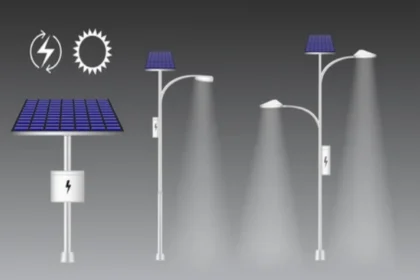
Battery capacity and solar panel size also influence performance. A higher wattage LED needs a larger battery and solar panel to run through the night. If these components are undersized, the light may dim or shut off early, especially during monsoon or winter months when sunlight is limited. For efficient operation, solar street lights require a balanced combination of LED wattage, battery storage, and panel wattage.
Wattage Recommendations Based on Application
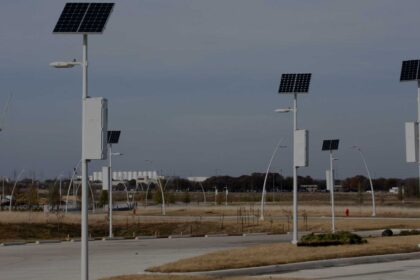
To determine how many watts solar street light you need, consider the installation location and lighting purpose. For internal society roads, pathways, and parks, 15W to 30W solar street lights are usually sufficient because vehicle speeds are low and visibility needs are modest. These wattage levels offer good coverage without being excessively bright or disturbing residents at night.
For connecting roads, main internal streets of larger townships, and institutional campuses, wattages between 30W and 60W are common. These lights provide stronger illumination suitable for pedestrians, cyclists, and slow-moving vehicles. They strike a balance between visibility and energy consumption, making them suitable for semi-urban and suburban environments.
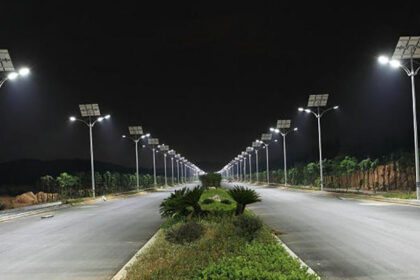
For large roads, highways, industrial campuses, and rural development projects, wattages between 60W and 120W or more may be needed. These higher-power lights provide long-range illumination and ensure that vehicle drivers can navigate safely at higher speeds. Industrial zones may also require higher wattages due to greater security demands and wider road widths.
Pole Height and Light Coverage
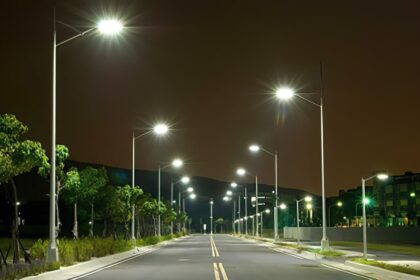
Pole height plays a major role in determining the wattage needed. A higher pole spreads light across a wider area but reduces intensity at ground level. A lower pole produces stronger lighting in a smaller zone. Therefore, wattage should be matched with pole height to avoid under-lighting or creating dark spots.
For example, 15W to 30W street lights commonly use pole heights between 4 to 6 meters. Mid-range 30W to 60W models typically use 6 to 8 meter poles. Higher wattage 60W to 120W lights may use poles between 8 to 10 meters, especially for highways or industrial areas. Proper pole spacing also ensures even illumination without overlap or gaps.
Environmental Factors to Consider
Climate, sunlight availability, and seasonal changes influence wattage decisions. In regions with strong sunlight year-round, like Rajasthan or Gujarat, solar street lights charge efficiently, allowing higher wattages without performance issues. In areas with long monsoons, like Kerala or the Northeastern states, lower wattage lights with larger batteries and panels may perform better because they conserve energy.
Dust and pollution can reduce panel efficiency, so maintaining clean solar panels is essential for consistent performance. Motion sensors can also reduce wattage requirements by boosting brightness only when movement is detected. This extends battery life during long nights or cloudy seasons.
Final Verdict
So, how many watts solar street light do you need? There is no one-size-fits-all answer. The correct wattage depends on the application, installation height, road width, and sunlight availability. For societies and parks, 15W–30W is generally enough. For institutional campuses and connecting roads, 30W–60W is suitable. For highways, rural roads, and industrial layouts, 60W–120W or higher is appropriate. By choosing the right wattage based on real-world needs rather than assumptions, buyers get better performance, longer battery life, and more cost-efficient installations. Modern LED solar street lights, paired with lithium batteries and high-efficiency panels, ensure that the correct wattage delivers reliable illumination throughout the night with zero grid dependency.