
With rising interest in off-grid lighting and sustainable alternatives, solar lamps have come a long way from being simple outdoor garden lights. Today, many households, hostels, rural students, and travelers use solar-powered lamps for indoor tasks such as studying, reading, and working at night. This leads to a valid question: Are solar lamps for study & reading bright enough? The answer depends on several factors including lumen output, LED quality, battery capacity, charging efficiency, and user requirements. Modern solar reading lamps are engineered to provide focused illumination that matches or sometimes outperforms basic electric table lamps, making them a practical choice for both urban and rural environments.
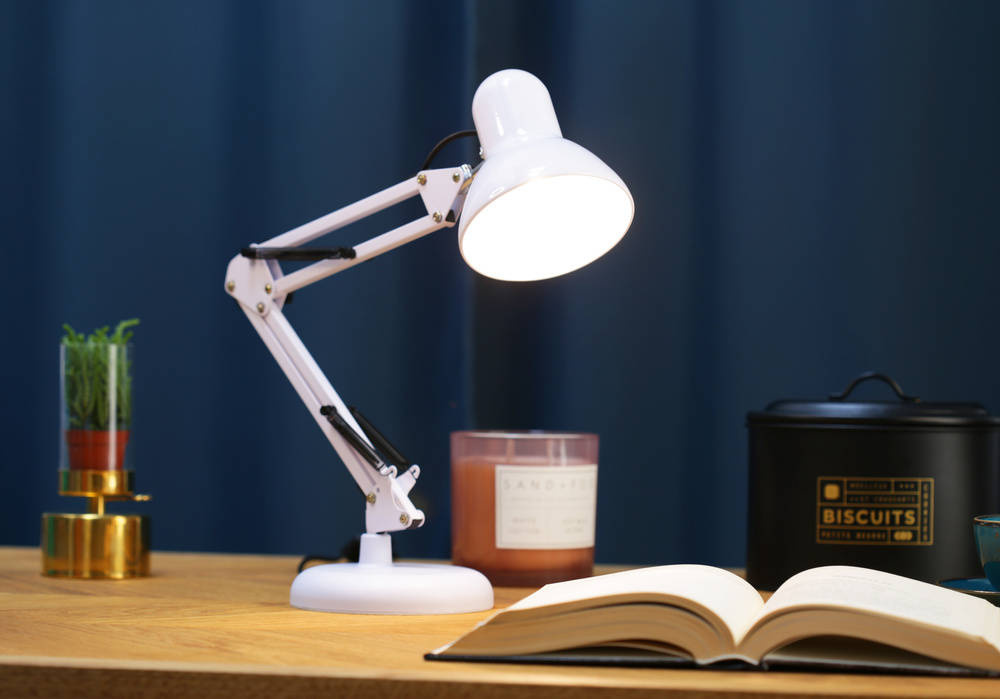
When it comes to studying and reading, brightness and focus are critical. Poor lighting strains the eyes, reduces concentration, and affects productivity. Traditional incandescent lamps consumed a lot of power and emitted warm, diffused light that was not ideal for long study sessions. LED-based solar lamps, however, provide crisp and concentrated light with lower power consumption. Many models now include adjustable brightness levels, color temperature control, and flexible arms to direct light exactly where it is needed. This makes them suitable for students, office workers, and readers who require eye-comfort lighting while saving energy.
Brightness Levels & Lumen Requirements for Studying
To determine whether solar lamps for study & reading are bright enough, it helps to understand lumen requirements. Lumens measure visible brightness. Reading and studying typically require between 250 to 500 lumens of focused light depending on ambient lighting conditions. Most modern solar study lamps fall within this range because LED technology has significantly improved efficiency. A 3W to 6W LED solar lamp can easily deliver the required lumens for reading without flicker or eye strain.
Unlike cheap decorative solar lights, dedicated solar study lamps are designed with higher lumen output and reflector optics that direct light onto books, notebooks, or laptop keyboards. This targeted illumination is important because it minimizes wasted light and improves energy efficiency. For students in areas with limited electricity—such as rural India—these lamps are not only bright enough but also dependable during power cuts.
Color Temperature & Eye Comfort
Brightness alone does not determine reading comfort. The color temperature of a lamp also matters. Lights used for reading usually fall in the range of 4000K to 6000K, which produces neutral to cool white light. This improves visual contrast for printed text and reduces drowsiness during evening study sessions. Many solar reading lamps now offer adjustable color temperatures, allowing users to switch between warm, neutral, and cool tones depending on personal preference or time of day.
Warm white light (2700K–3000K) is pleasant for nighttime relaxation but may not provide the contrast required for intensive studying. Neutral and cool white LEDs are better suited for textbooks, diagrams, and digital screens. Manufacturers of solar study lamps have recognized this, which is why lamps now come equipped with daylight-balanced LEDs that enhance reading clarity without flickering.
Battery Backup & Runtime Performance
Brightness is irrelevant if the lamp cannot last through study hours. Solar lamps designed for studying usually include lithium-ion or LiFePO4 batteries with runtimes ranging between 4 to 12 hours depending on brightness settings. This makes them especially useful during power outages, late-night study sessions, and off-grid situations. Many models include multiple brightness modes, which help extend runtime when users do not need full brightness.
In rural regions where electricity reliability is low, battery performance becomes even more important. Solar study lamps with larger panels and energy-efficient LEDs can run for extended periods even when sunlight exposure is limited. Some advanced lamps also support USB charging, offering hybrid functionality for cloudy days or indoor usage.
Additional Features That Enhance Study Use
Modern solar lamps for study & reading include several features that make them more versatile and user-friendly. Flexible necks, adjustable arms, and foldable designs allow precise light positioning over books or laptops. Built-in diffusers reduce glare, protecting the eyes during long sessions. Some models include USB outputs for charging phones or small devices, which is helpful for students during power cuts or travel.
Portability is another major advantage. Unlike wired table lamps, solar study lamps can be used outdoors, in rural hostels, during camping, or while traveling. Schools and NGOs often distribute solar study lamps to students because they are safe, efficient, and require no grid electricity.
Limitations to Consider
Although solar study lamps are highly functional, there are some limitations depending on the model quality. Low-cost lamps may use weak LEDs with poor optical design, resulting in uneven lighting or insufficient brightness. Cheap batteries may degrade quickly, reducing runtime after a few months. Smaller solar panels require longer charging times and may struggle during monsoon seasons or cloudy periods. For indoor use with limited sunlight, hybrid models with USB charging support are more practical.
Another consideration is room size. Solar study lamps are meant for task lighting, not whole-room illumination. Users expecting a solar lamp to light up an entire bedroom may be disappointed, as task lamps are intentionally designed for focused illumination, not ambient coverage.
Final Verdict
So, are solar lamps for study & reading bright enough? Yes—modern solar study lamps are bright enough for comfortable reading and learning, provided they have adequate lumen output, neutral-to-cool color temperature, and efficient LED design. With improved lithium battery technology, reliable runtimes, adjustable brightness, and eye-comfort lighting, they serve as excellent off-grid study solutions for students, travelers, and households facing frequent power cuts. While cheap models may underperform, reputable solar study lamps deliver performance comparable to electric desk lamps with the added benefits of portability, sustainability, and zero electricity cost.