
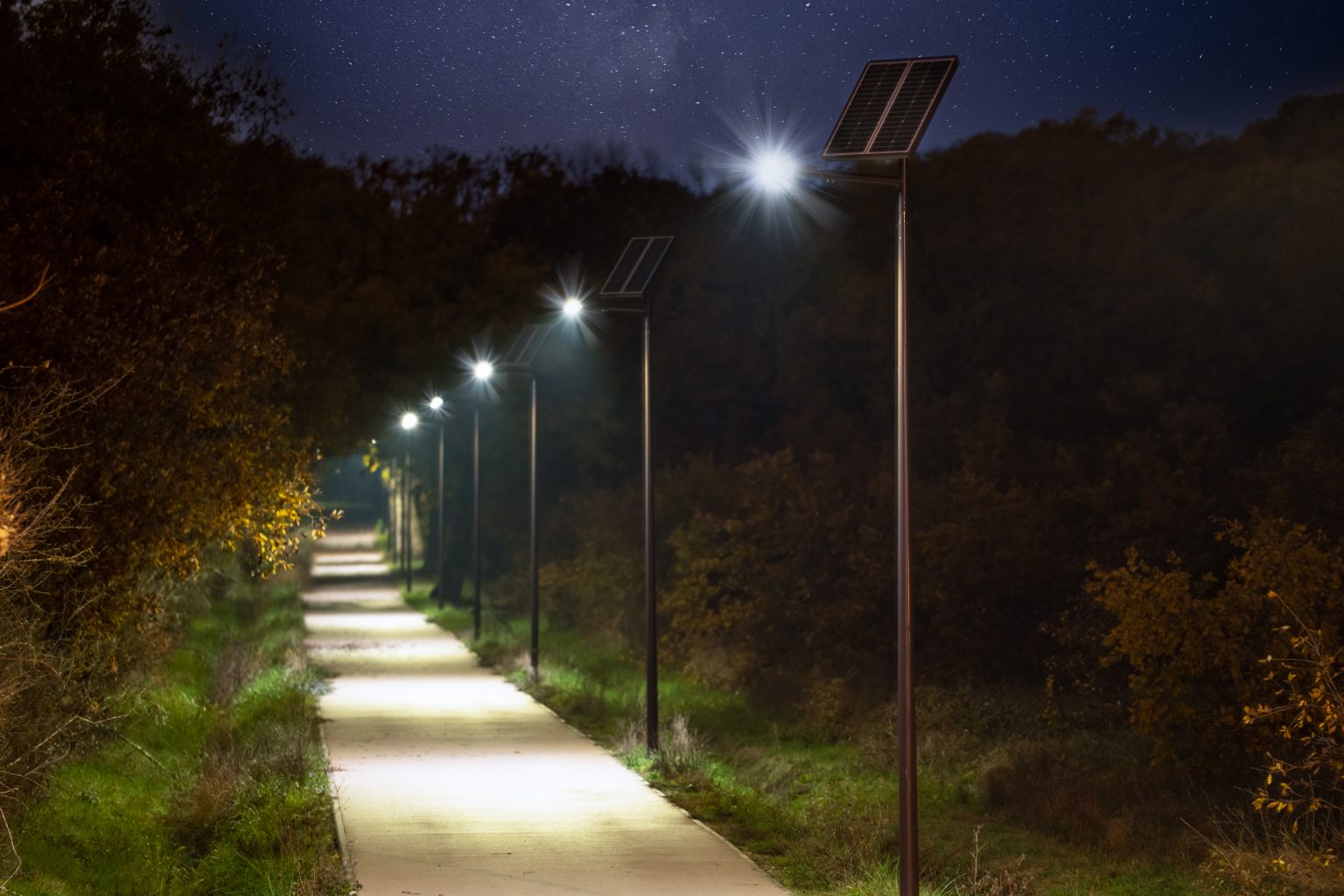
Access to reliable lighting is a challenge for many rural households, especially in regions where grid power is unstable, expensive, or completely unavailable. Frequent power cuts, voltage fluctuations, and lack of grid extension make daily activities difficult after sunset. In such conditions, solar-powered lighting has emerged as a highly effective solution. Solar lamps are clean, safe, portable, and cost-efficient, making them especially valuable for rural students, farmers, shopkeepers, and families. But with different product types available, the question becomes: Solar lamps for rural areas – which are best? The answer depends on usage patterns, battery life, brightness needs, and local environmental conditions.
Rural households use lighting for studying, cooking, household chores, farming tasks, evening commerce, and social activities. Kerosene lamps were once commonly used for these tasks, but they produce harmful smoke, pose fire hazards, and provide very low illumination. Solar lamps replace these outdated options with brighter, safer, and more economical light sources. Many NGOs, government programs, and social enterprises have distributed solar lamps in rural regions precisely because they improve quality of life, education outcomes, and safety without adding recurring expenses.
Types of Solar Lamps Used in Rural Areas
To determine which solar lamps are best for rural use, it helps to understand the different types available. Broadly, rural lighting solutions fall into three categories:
Solar Study Lamps:
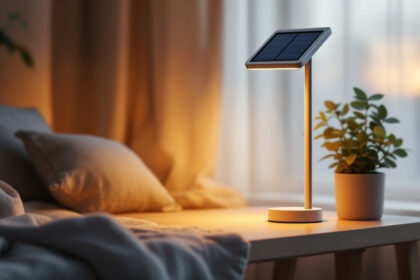
These are compact desk-style lamps used by students for reading and homework. They provide focused lighting and long battery backup with minimal power consumption.
Solar Lanterns:
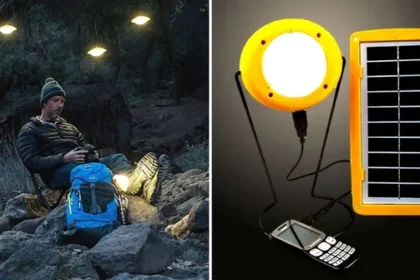
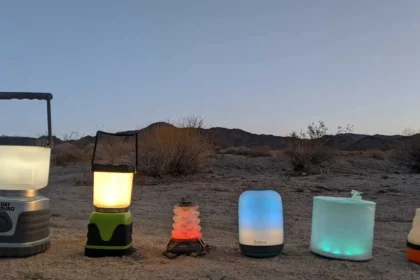
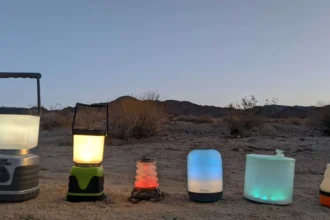
Rechargeable solar lanterns are suitable for general household use. They offer 360-degree lighting and can illuminate cooking areas, farmyards, and small shops. Many models now include USB charging ports, making them useful for charging phones during power outages.
Solar Home Lighting Systems:
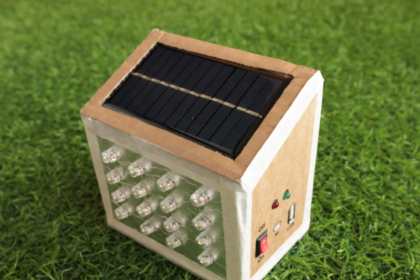
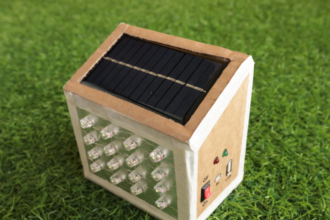
These are larger multi-light kits that power two or more LED bulbs along with USB ports and sometimes small fans. They are ideal for households that need to light multiple rooms or outdoor spaces.
Each category serves a specific purpose, and the best choice depends on how much lighting a household needs and how they plan to use it.
What Makes a Solar Lamp Good for Rural Conditions
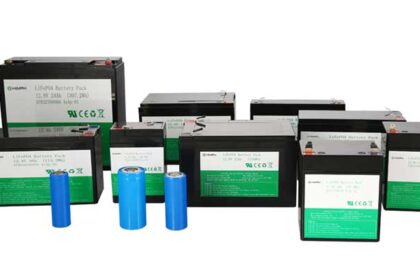
The best solar lamps for rural areas share certain characteristics that make them reliable in off-grid environments. The first requirement is long battery backup. Rural families often need lighting for 4 to 10 hours depending on evening activities and power situation. Lamps with lithium-ion or LiFePO4 batteries outperform Ni-MH batteries and last longer without degradation.
Brightness also matters. Study lamps should provide focused white light with enough lumens for reading, while lanterns should provide sufficient area lighting. Many rural users prefer neutral or cool white light because it gives better contrast for reading and working. Solar panels should be efficient enough to charge fully even during shorter winter days or cloudy monsoon conditions.
Durability is another major factor. Rural lamps must withstand dust, humidity, rough handling, and occasional outdoor use. Robust ABS housings, sealed batteries, and strong handles make lamps suitable for both indoor and farm use. USB hybrid charging is an added advantage because some rural regions have partial access to grid power, allowing flexibility during monsoon seasons when solar charging may be limited.
Affordability and Long-Term Value
Affordability plays an important role when evaluating solar lamps for rural areas. Many families operate on limited budgets, so upfront cost must be balanced with long-term savings. Cheaper lamps may appear attractive initially but often include low-quality batteries that fail quickly, forcing replacement costs. High-quality solar lamps with lithium batteries, on the other hand, provide 3 to 7 years of reliable lighting, making them more economical in the long run.
Government agencies and NGOs often distribute solar lamps in rural regions because they reduce kerosene consumption, improve educational outcomes, and support agricultural productivity. For example, farmers who irrigate crops at night or protect fields from animals benefit significantly from portable solar lanterns. Small shopkeepers can extend business hours without paying for grid electricity, while schoolchildren gain better access to study light.
Which Solar Lamps Are Best for Rural Use?
So, solar lamps for rural areas – which are best? Based on usage patterns and needs:
- For students: Solar study lamps with focused LEDs and long battery backup are best.
- For families: Rechargeable solar lanterns with 360° illumination and hybrid charging are ideal.
- For households requiring multi-room lighting: Solar home lighting systems with multiple LED bulbs offer the greatest utility.
- For farmers: Rugged lanterns or portable solar flood lamps are effective for field tasks and animal deterrence at night.
The best solutions prioritize durability, brightness, long backup time, and hybrid solar + USB charging.
Final Verdict
When evaluating solar lamps for rural areas, the best choices are those that combine affordability, durability, and reliable lighting performance. Solar study lamps support education, lanterns provide versatile household lighting, and home lighting kits offer broader coverage for families without reliable grid access. With lithium batteries, efficient LEDs, and hybrid charging options, modern solar lamps have become powerful tools for rural development. They reduce dependence on kerosene, decrease health risks, boost productivity, and improve quality of life. As solar technology becomes more affordable and widely distributed, rural communities will continue benefiting from clean, renewable lighting solutions tailored to their needs.