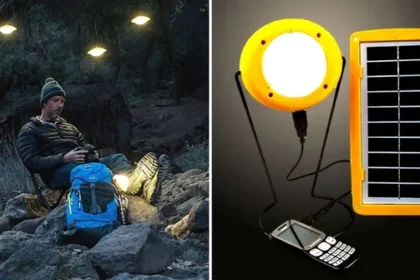
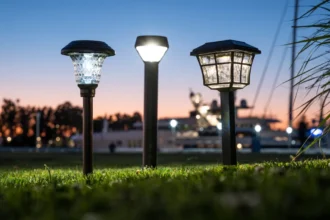
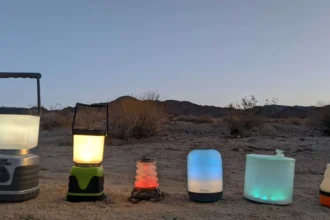
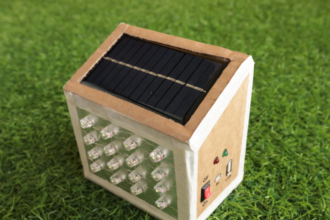

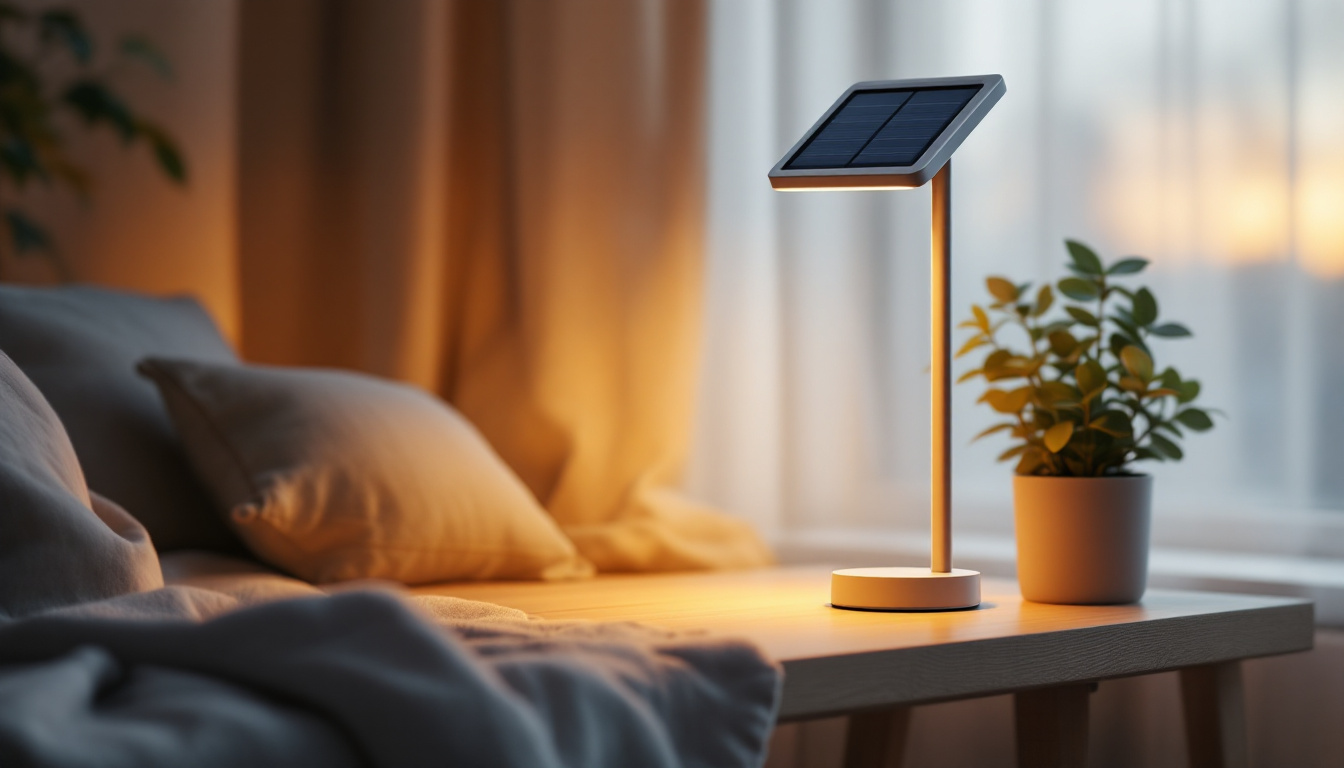
As solar lighting technology continues to grow, more homeowners, students, and businesses are exploring the idea of using solar lamps indoors. These lamps provide lighting during power cuts, reduce electricity bills, and offer an environmentally friendly alternative to traditional wired lighting. However, many first-time users have an important concern: Are indoor solar lamps safe to use? The short answer is yes—indoor solar lamps are generally safe, provided they use certified components and are installed or used correctly. To understand why, it helps to look at how solar lamps are designed, what electrical components they contain, and how they operate in indoor environments.
Unlike wired lighting systems that require AC electricity from the grid, solar lamps store energy in rechargeable batteries and deliver low-voltage DC output. This immediately reduces risk because there is no high-voltage wiring involved inside the house. Solar lamps also do not emit heat like halogen bulbs or flames like kerosene lanterns, making them safer around children, pets, and fabrics. Modern solar lamps use LED lighting, which is cool to the touch and consumes very little power. These qualities make them suitable for use in bedrooms, study rooms, kitchens, and living spaces during power cuts or for general evening lighting.
Electrical Safety and Low-Voltage Design
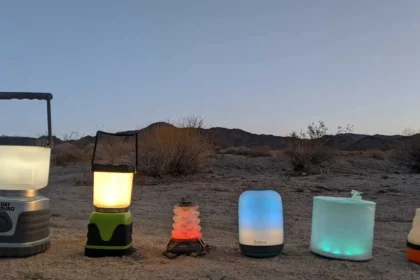
The first reason indoor solar lamps are considered safe is that they operate on low-voltage DC instead of high-voltage AC. A typical solar lamp uses 3.2V, 3.7V, or 12V DC, which is significantly safer than 110V or 220V AC power. Even if wires get exposed or a lamp is mishandled, the risk of electric shock is extremely low. This low-voltage setup also allows solar lamps to be used in humid environments without major electrical hazards. Many LED-based study lamps, emergency lanterns, and portable solar lights are designed specifically for indoor use, and their electrical safety certifications reflect this.
Heat and Fire Safety
When evaluating are indoor solar lamps safe to use, fire safety is an important consideration. Traditional incandescent or halogen lamps can get hot enough to burn skin or ignite flammable materials. Kerosene lamps, which are still used in some rural areas, pose fire hazards and emit harmful fumes. Solar lamps, on the other hand, use LED chips that produce minimal heat. Even after hours of use, they remain cool or mildly warm to the touch. This greatly reduces fire risk and makes them suitable for enclosed spaces such as tents, children’s bedrooms, and study desks.
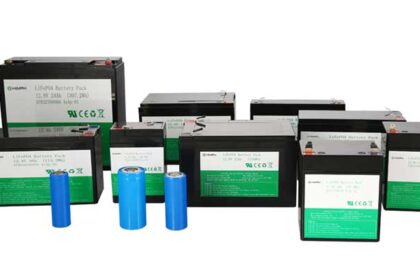
Lithium-ion and LiFePO4 battery technologies used in modern solar lamps are also designed with thermal protection features. Reputable manufacturers include safety circuits that prevent overcharging, deep discharge, and short-circuits. LiFePO4 batteries, in particular, are known for their excellent thermal stability and safety performance, making them ideal for indoor lighting products.
Air Quality and Health Considerations
Indoor solar lamps are also safe when it comes to air quality. Unlike kerosene lanterns or candles, solar lamps produce no smoke, emissions, or particulate matter. This is especially beneficial for households with children, elderly people, or individuals with respiratory issues. In rural communities where kerosene use is common, switching to solar lamps has been shown to reduce indoor air pollution and improve health outcomes. For students, LED solar study lamps provide bright and flicker-free lighting that reduces eye strain and enhances productivity without contributing to indoor pollution.
Charging Safety and Indoor Placement
While solar lamps are typically used indoors, their solar panels need sunlight to charge. This creates two usage patterns:
- Lamps with built-in panels that are placed near windows for charging.
- Lamps with external panels placed outdoors while the lamp remains indoors.
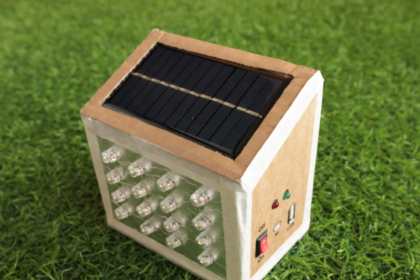
Both methods are safe when followed correctly. If using indoor window charging, users must ensure that the panel receives adequate sunlight and is not placed on flammable surfaces. If using external panels, cables should be routed safely through windows or walls to prevent pinching or tripping hazards. Most modern lamps include USB charging options, allowing indoor charging from power banks, laptops, or wall adapters when sunlight is limited.
Battery Safety Considerations
Battery safety is another common concern. Indoor solar lamps that use certified lithium batteries are safe under normal operating conditions. High-quality products include protection circuits such as BMS (Battery Management System) to prevent overheating and short-circuits. LiFePO4 batteries are especially known for their stability and long lifespan, which is why they are widely used in solar street lights and home lighting kits. Cheap, uncertified lamps, however, may use low-quality batteries, and buyers should avoid these by checking specifications, reviews, and brand reputation.
Final Verdict
So, are indoor solar lamps safe to use? Yes—high-quality solar lamps are safe for indoor environments because they operate at low voltage, produce minimal heat, emit no harmful fumes, and include protective circuits for battery safety. They provide reliable lighting during power cuts, reduce fire hazards compared to candles or kerosene lamps, and support clean energy usage inside homes. As with any electrical product, safety depends on choosing reputable brands, verifying battery quality, and following basic usage guidelines. When selected wisely, indoor solar lamps are not only safe but also practical, eco-friendly, and cost-effective lighting solutions for modern households.