


Rechargeable solar lanterns have become an essential lighting tool for households, travelers, students, and rural communities. They are designed to provide portable, off-grid illumination using solar energy and rechargeable batteries, making them ideal for situations where electricity is unreliable or unavailable. As power cuts, camping trips, terrace dinners, road travel, and outdoor activities become more common in modern lifestyles, the demand for high-quality solar lanterns continues to grow. The best rechargeable solar lanterns combine bright LED output, long battery backup, durable build quality, and efficient solar panels to deliver dependable lighting without recurring electricity costs.
Solar lanterns represent a major shift from traditional kerosene lamps and battery-powered flashlights. They are safer, do not emit fumes, and are environmentally friendly. For rural households, solar lanterns are a practical lighting solution for cooking, studying, and evening activities. For urban families, they serve as emergency backup lights during power outages. Many travelers and trekkers also prefer solar lanterns because they reduce dependence on grid charging while on the road. With improvements in lithium battery technology, LED efficiency, and solar panel performance, today’s solar lanterns are far brighter and longer-lasting than earlier models.
Why Rechargeable Solar Lanterns Are Useful
Rechargeable solar lanterns offer several advantages that make them stand out from electric lanterns and disposable-battery lights. First, they are completely portable. They can be used indoors, outdoors, and in remote areas without needing wall sockets. Second, they have built-in rechargeable batteries that can be charged via solar panels or, in many cases, through USB or AC charging as a backup. This dual-charging capability makes them reliable during cloudy days or monsoon seasons.
Another key benefit is safety. Unlike kerosene lanterns, which pose fire hazards and emit harmful fumes, solar lanterns operate cleanly without open flames. Families with children find them safer for indoor use. Additionally, they are designed with long-lasting LEDs that produce bright, cool light suitable for reading, studying, evening cooking, and outdoor tasks. This makes them widely used by students in rural communities who lack reliable grid power.
Key Features of the Best Rechargeable Solar Lanterns
The best rechargeable solar lanterns tend to share a few common characteristics. Brightness is an important factor, measured in lumens. Good lanterns typically range from 150 to 800 lumens depending on their intended use. Lanterns used for reading or indoor tasks may require lower lumens with strong focus, while lanterns for outdoor camping or garden use may require higher illumination and wider coverage.
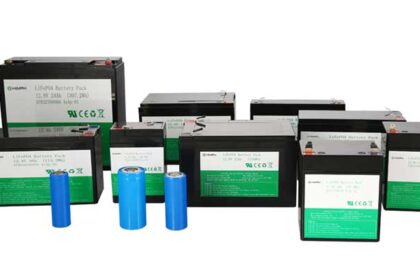
Battery type also matters. Modern solar lanterns use lithium-ion or LiFePO4 batteries because they offer longer cycle life, faster charging, and stable discharge performance. Ni-MH batteries are also used in some budget models, but they have shorter lifespans. Runtime varies based on brightness mode, with most lanterns offering between 4 to 12 hours of operation on a single charge. Multi-mode brightness settings help users conserve power when full brightness is not necessary.
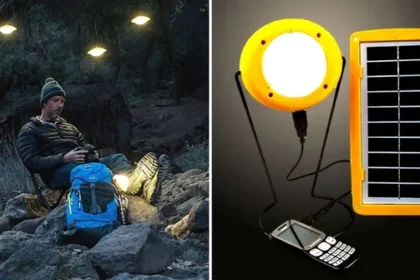
Build quality is another factor. High-quality lanterns use durable ABS plastic or metal casings that withstand outdoor conditions. Some lanterns are waterproof or splash resistant, making them suitable for camping and rainy environments. Additional features like USB output can allow the lantern to act as a power bank for charging small devices such as phones, which adds significant value for travelers and emergency situations.
Applications for Different Users
Rechargeable solar lanterns are used for many purposes depending on the user’s lifestyle and environment. In rural housing, they provide evening lighting for students, kitchen areas, and outdoor chores. During power cuts in urban homes, they serve as emergency lighting that can run for hours without draining inverter batteries. For trekkers, bikers, and campers, solar lanterns reduce dependency on power banks or disposable batteries, making expeditions lighter and more eco-friendly.
During outdoor events such as terrace gatherings, garden dinners, farmhouse parties, or picnics, solar lanterns add ambient lighting without requiring extension cords or generators. Many NGOs, government campaigns, and development organizations distribute solar lanterns in off-grid villages to support education and household activities. This social utility has played a significant role in the adoption of solar lighting across developing regions.
Hybrid Charging and Reliability
One major advantage of the best rechargeable solar lanterns is hybrid charging capability. While solar charging is highly convenient, cloudy days or monsoon seasons can reduce solar input. That’s why many lanterns feature USB or AC charging ports for backup charging. This hybrid system ensures that the lantern remains usable year-round, regardless of weather conditions. Some models even include hand-crank mechanisms for emergency charging during extended outages.
Hybrid charging also supports travelers who may not always have direct sunlight. They can charge via solar panel while hiking or via USB inside campsites and vehicles. This flexibility improves reliability and reduces dependence on single charging methods.
Limitations to Consider
Despite their advantages, rechargeable solar lanterns have limitations depending on model quality and usage environment. Budget models may use weak LEDs or low-capacity batteries, resulting in dim lighting or short runtime. Smaller solar panels take longer to charge, especially during cloudy seasons. Users expecting lanterns to light up entire rooms may be disappointed if they choose low-wattage models designed only for localized lighting or reading tasks.
Additionally, extremely cold weather can reduce battery performance temporarily, while very hot climate conditions can degrade battery lifespan over time. Choosing lanterns with lithium-based batteries and durable housing can reduce these effects and improve long-term performance.
Final Verdict
The best rechargeable solar lanterns are reliable, energy-efficient, and versatile lighting solutions suitable for households, students, travelers, campers, and rural communities. With features like bright LEDs, long battery backup, solar plus USB charging, and durable construction, they outperform traditional lanterns in both convenience and sustainability. While low-cost models may underperform, high-quality solar lanterns deliver dependable lighting during power cuts, nighttime study sessions, outdoor trips, and emergency situations. As solar technology continues to improve, rechargeable lanterns will remain an essential tool for both indoor and outdoor lighting without the limitations of grid power.