
Outdoor solar lighting has become a practical choice for homes, gardens, pathways, and security spaces because it eliminates wiring, reduces electricity bills, and operates automatically. However, a common question buyers struggle with is brightness. Unlike traditional bulbs measured in watts, solar lamps highlight brightness using lumens, which measure the actual visible light output. Understanding lumens is important because different spaces require different brightness levels, and choosing the wrong specification can lead to disappointment. This guide explains how bright an outdoor solar lamp should be and offers a clear lumens guide for different use cases.
Outdoor solar lamps are available in a wide range of brightness levels, from subtle ambient lighting to powerful flood beams designed for security. The appropriate brightness depends on where the lamp will be used, how much visibility is needed, and whether the goal is aesthetic appeal or functional illumination. For example, a solar lamp for garden decoration does not need the same lumen output as one installed for driveway safety. This is why solar buyers must understand lumens instead of judging lights by size or wattage alone.
Understanding Lumens in Solar Lighting
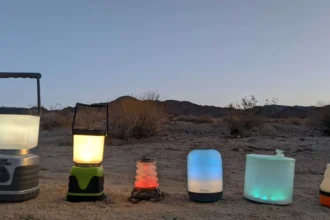
A lumen is a unit that measures the total amount of visible light emitted by a source. Higher lumens mean brighter light, but brightness alone does not define quality. Beam angle, LED efficiency, height, and installation placement also affect visibility. Outdoor solar lamps usually range from 10 lumens for simple garden stakes to over 2000 lumens for strong security floodlights. Modern LEDs can deliver high brightness using low energy, making them ideal for solar systems that rely on stored battery power.
Comparing lumens to traditional wattage also helps consumers transition from old buying habits. A typical 40-watt incandescent bulb produces around 400 lumens, while LED equivalents often use less than 6 watts to produce the same brightness. This efficiency allows solar lamps to run longer and charge faster, making lumens a more reliable measurement for buyers.
How Bright Should Different Outdoor Areas Be?
The brightness needed for outdoor solar lamps varies based on purpose and location. Here is a general lumens guide for common outdoor installations:
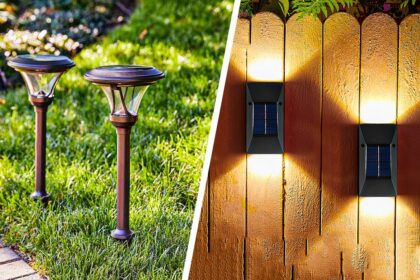
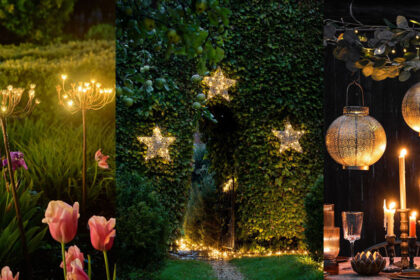
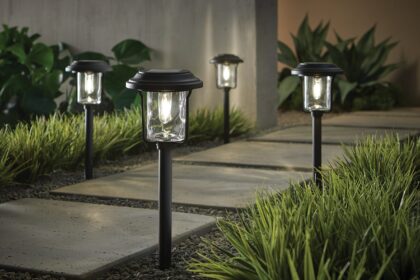
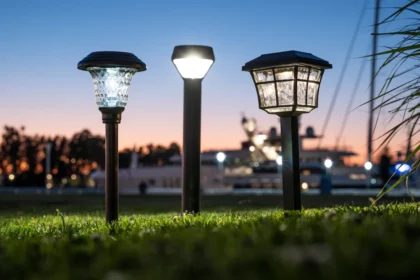
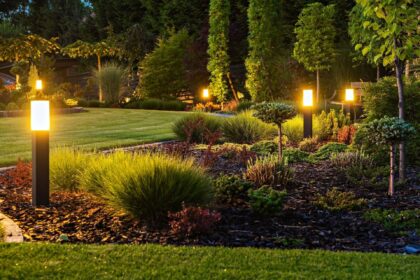
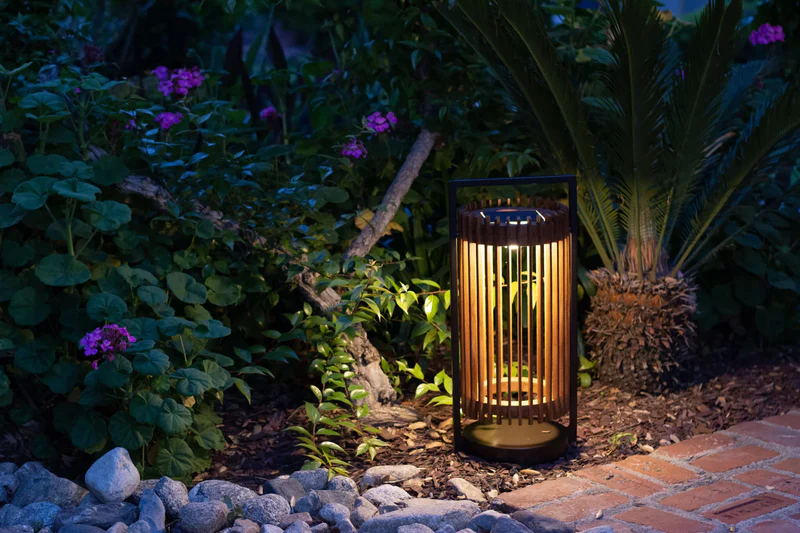
Garden decorations & walkway edges (5–50 lumens): These lights are meant to highlight plants, borders, pathways, and landscaping features without overwhelming the space. They create mood lighting rather than functional lighting.
Pathways & driveways (50–200 lumens): Slightly stronger illumination ensures safe walking and vehicle movement, especially at night. These lights guide people without producing harsh glare.
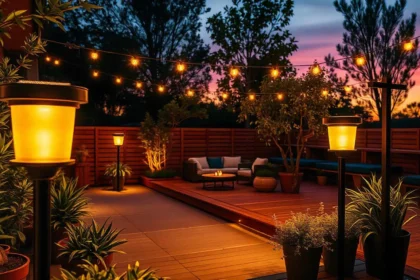
Balconies, terraces & patios (100–300 lumens): These spaces require moderate illumination so that people can sit comfortably, eat, or relax outdoors without intense beams.
Entrances & garage areas (300–600 lumens): Home entrances benefit from higher brightness for visibility and safety. Motion sensor options are common here to save battery power.
Security & flood lighting (600–2000+ lumens): For protecting properties, farms, parking areas, and gates, powerful beams are needed to deter intruders and illuminate large spaces.
Choosing the right brightness helps balance aesthetics, battery life, and functionality.
Factors That Affect Solar Lamp Brightness
Brightness alone does not determine performance. Several factors influence how bright an outdoor solar lamp appears in real-world scenarios. The beam angle defines spread; a narrow beam looks brighter but covers less area, while a wide beam spreads evenly but appears softer. LED chip quality matters because premium LED chips produce more light using less energy. Battery capacity affects how long the brightness can be sustained during the night, especially during cloudy seasons. Lamps with LiFePO4 or lithium-ion batteries maintain brightness better than older Ni-MH batteries.
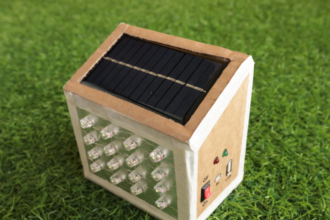
Solar panel efficiency also impacts charging speed and overall performance. Monocrystalline panels charge faster and handle cloudy weather better than polycrystalline panels. Finally, installation height affects illumination. A lamp mounted too high may appear dimmer even if its lumen output is high, while a low-mounted lamp may appear brighter but cover less area.
Balancing Brightness with Battery Runtime
One mistake many buyers make is choosing the brightest option available, expecting better results. However, excessively bright lamps consume battery power quickly. For example, a 1500-lumen floodlight may last eight hours on a full charge, while a 2000-lumen light may only last three to four hours if the battery capacity is similar. The key is to match lumens with expected runtime. Motion sensors are beneficial for security because they increase brightness only when needed, preserving battery energy during the night.
For decorative and pathway use, lower lumens are typically more efficient and last longer. Homes in regions with frequent cloudy weather or monsoon seasons should focus on lamps with larger panels and batteries so brightness does not drop significantly during rainy weeks.
Warm White vs Cool White Brightness Perception
Color temperature also influences how bright a solar lamp appears. Cool white light (6000–6500K) appears brighter and more modern, making it suitable for security and driveways. Warm white light (2700–3500K) appears softer and more decorative, giving gardens and patios a cozy look. Even if lumen levels are identical, cool white often looks more intense to the human eye.
Balconies, terraces, and landscape features often use warm white for ambiance, while security-focused zones rely on cool white for sharper visibility. Choosing the right color temperature enhances both aesthetics and functionality.
Final Verdict
So how bright should an outdoor solar lamp be? The answer depends on where you plan to use it. Gardens and decorative areas benefit from soft ambient light, pathways need moderate guidance brightness, and security spaces require high-intensity illumination. Instead of guessing wattage, buyers should rely on lumens to choose the right solar lamp for their needs. With modern LED efficiency and lithium battery technology, solar lighting delivers reliable nighttime performance with zero wiring and zero ongoing costs. Understanding lumens is the first step toward choosing outdoor solar lighting that not only looks good but performs well throughout the year.