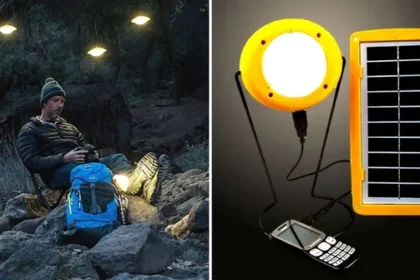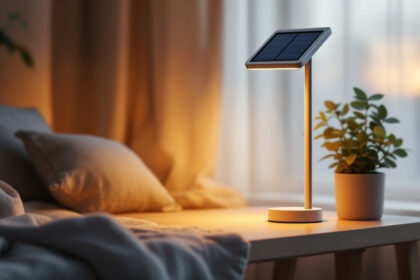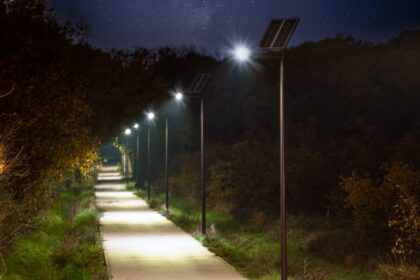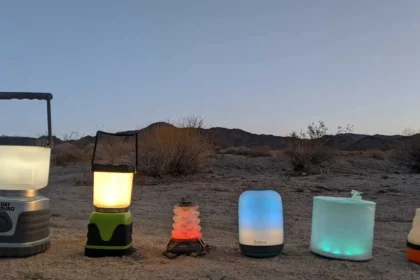
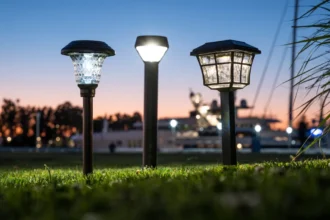
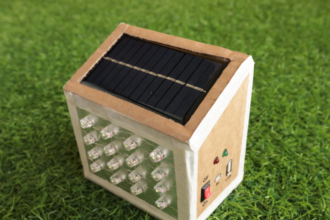

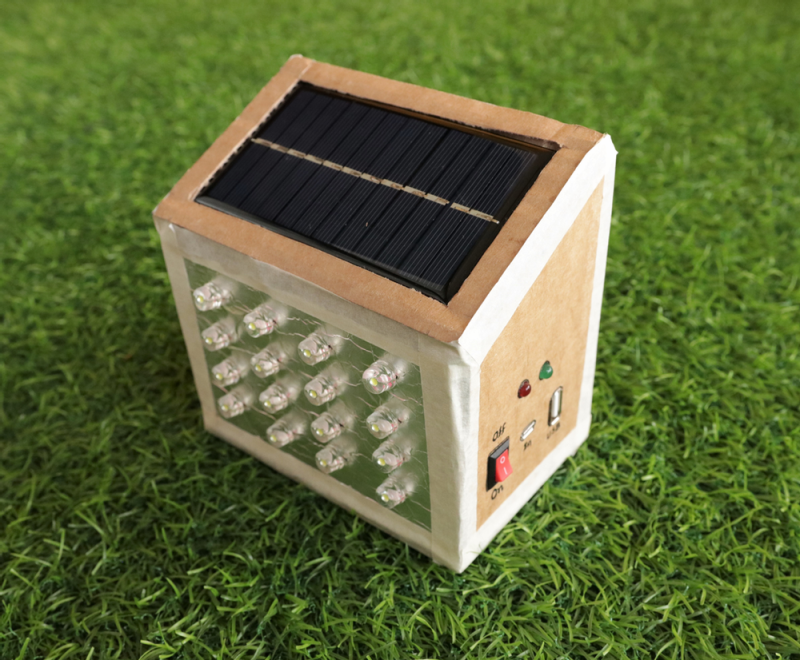
Solar emergency lamps have become an indispensable lighting solution in both urban and rural areas, particularly where power interruptions are common. As homes, hostels, shops, and rural households experience scheduled or unexpected outages, the demand for reliable emergency lighting continues to grow. This raises an important performance-related question: How long can a solar emergency lamp last on one charge? The answer depends on several factors including battery type, battery capacity, brightness settings, LED efficiency, and charging conditions. By understanding these factors, buyers can make informed choices and avoid disappointment during critical times.
Solar emergency lamps operate by collecting sunlight through a solar panel and storing that energy inside a rechargeable battery. When grid power fails or night falls, users can switch on the lamp to access light without relying on electricity or fuel. Modern models use high-efficiency LEDs that consume very little power, allowing longer runtimes compared to older incandescent or CFL emergency lights. With hybrid charging and improved lithium battery chemistry, today’s solar lamps offer far better runtime duration and reliability than early-generation products.
Runtime Depends on Battery Capacity
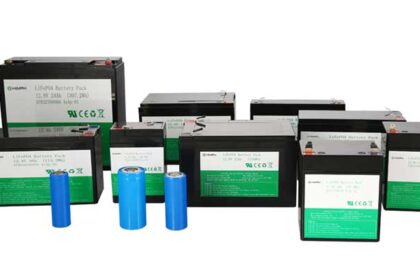
The primary factor that determines how long a solar emergency lamp can last on one charge is the size and type of its battery. A lamp equipped with a higher mAh (milliampere-hour) capacity battery will naturally last longer. Battery capacities vary widely depending on the model—ranging from 1500mAh in compact units to 6000mAh or more in premium emergency lamps. Lamps using lithium-ion or LiFePO4 batteries typically deliver longer and more consistent runtimes than those using older Ni-MH batteries.
Battery chemistry also matters. LiFePO4 (Lithium Iron Phosphate) batteries are particularly well-suited for emergency lighting because they maintain stable voltage output, have higher cycle life, and tolerate temperature variations better than standard lithium-ion or Ni-MH alternatives. In 2026, many high-quality emergency lamps have shifted to LiFePO4 due to these advantages.
The Role of Brightness Modes
Brightness settings significantly influence runtime. Most solar emergency lamps come with multiple modes such as low, medium, and high brightness. Using the lamp on maximum brightness drains the battery faster, while moderate or low brightness extends usage dramatically. For example, a lamp with 6000mAh battery might last 4 to 6 hours on full power but 8 to 12 hours on medium or low mode. This mode flexibility is especially valuable during long power outages or during nights with limited charging due to cloudy weather.
LED efficiency plays an important role here. High-quality SMD LEDs can produce more lumens per watt, meaning they generate strong illumination while consuming less energy. Cheaper LEDs may appear bright initially but draw more power and quickly reduce runtime.
Typical Runtime Ranges for Modern Models
In real-world conditions, modern solar emergency lamps typically offer the following runtimes per full charge:
- On High Brightness: 3 to 6 hours
- On Medium Brightness: 6 to 10 hours
- On Low Brightness: 8 to 14 hours or more
These numbers vary by battery capacity, LED wattage, and how long the lamp was exposed to sunlight during the day. Some premium emergency lamps designed for rural education or fieldwork can run even longer because they use larger battery packs and energy-efficient lighting drivers.
Charging Conditions & Seasonal Impact
Charging conditions influence how long a lamp can last later at night. A solar emergency lamp left in direct sunlight for 6 to 8 hours will charge fully under ideal conditions. However, during monsoon or winter seasons, cloudy days reduce solar panel output, resulting in partial charging. In such scenarios, runtime may decrease unless the lamp supports hybrid charging via USB or AC input. Many modern models include USB charging options, allowing users to top up the battery during extended cloudy spells.
The placement of the solar panel also matters. A panel positioned behind glass, under shade, or indoors will not charge effectively. Outdoor charging in direct sunlight is essential for maximizing nighttime performance.
How Aging Affects Runtime
Battery health degrades gradually over time. After a few hundred charge cycles, a battery may no longer hold the same amount of energy, reducing runtime. Lithium-based batteries generally have longer cycle life than Ni-MH batteries, meaning they retain performance for years with minimal degradation. Proper storage during periods of non-use (such as keeping the lamp partially charged rather than fully drained) can extend battery life and maintain runtime.
Cheap emergency lamps that use lower-grade batteries may experience runtime reduction within a few months, while high-quality models with LiFePO4 batteries can deliver consistent performance for 3 to 7 years depending on usage.
Final Verdict
So, how long can a solar emergency lamp last on one charge? In most cases, a modern solar emergency lamp can run anywhere from 4 to 12 hours depending on battery capacity, brightness level, and charging conditions. With advancements in lithium battery technology and efficient LEDs, today’s solar lamps are more reliable than ever during power outages, nighttime study sessions, and emergency scenarios. For the longest runtime, buyers should look for lamps with LiFePO4 batteries, multiple brightness modes, and USB hybrid charging capabilities. With proper usage and regular sunlight charging, solar emergency lamps remain a dependable and eco-friendly source of light when grid power fails.