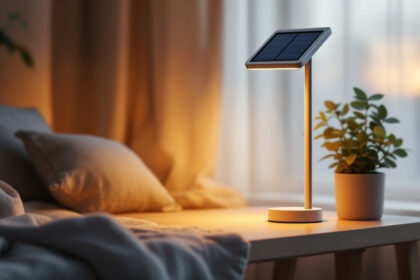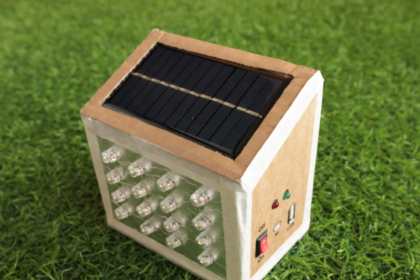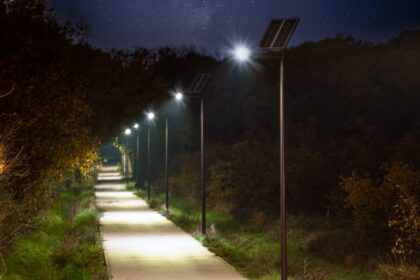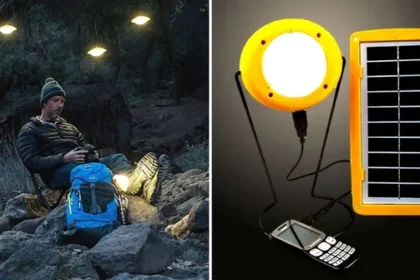

Solar lamps have become widely used for home lighting, emergency backup, rural electrification, camping, and travel. As their popularity grows, buyers are starting to pay more attention to technical specifications that determine performance and lifespan. One of the most important—but often misunderstood—components is the battery. The battery stores solar energy during the day and releases it at night, making it the core of any solar lamp’s functionality. To help users make informed decisions, here are the most common solar lamp battery types explained in a clear and practical way.
Solar lamps were originally powered by basic rechargeable batteries with very limited efficiency. Early models used lower-capacity cells that offered short runtimes and degraded quickly. Modern solar lamps, however, benefit from major improvements in battery chemistry. Newer batteries not only store more power but also charge faster, last longer, and support higher brightness levels from LED lamps. Understanding the differences between battery types helps buyers match the right lamp to their usage—whether it’s studying, camping, emergency lighting, or rural household use.
Nickel-Metal Hydride (Ni-MH) Batteries
Ni-MH batteries were commonly used in older solar lamps and are still found in some budget models. They are relatively inexpensive and offer moderate performance for small lamps such as garden stakes or decorative lights. Ni-MH batteries can handle hundreds of recharge cycles and have better environmental performance than their predecessor, Ni-Cd. However, they have lower energy density compared to lithium batteries, which means shorter runtime and slower charging. Their voltage stability is also lower, causing dimming as the battery discharges. While acceptable for low-power applications, Ni-MH technology is gradually being replaced in higher-end solar lighting.
Nickel-Cadmium (Ni-Cd) Batteries
Ni-Cd batteries were once widely used in garden solar lights but have declined sharply due to environmental concerns and lower efficiency. They suffer from “memory effect,” where the usable capacity decreases if the battery is not fully discharged before recharging. Ni-Cd batteries also have lower energy density and shorter lifespan compared to Li-ion and LiFePO4 batteries. Furthermore, cadmium is toxic, making disposal more challenging. Today, Ni-Cd batteries are considered outdated and are rarely recommended except for extremely low-cost decorative solar lighting with minimal runtime requirements.
Lithium-Ion (Li-Ion) Batteries
Lithium-ion batteries have transformed the solar lighting industry. They offer significantly higher energy density, allowing small lamps to deliver bright illumination and long runtimes. Li-ion batteries charge faster than Ni-MH batteries and maintain more stable voltage during discharge, preventing premature dimming of LEDs. They also have longer cycle life, often lasting 2–4 years or more depending on usage conditions. This chemistry is commonly found in solar emergency lamps, solar study lamps, portable lanterns, and camping lights. The main drawback is heat sensitivity—Li-ion batteries degrade faster in very hot environments. Despite that, they remain extremely popular due to their strong performance and reasonable pricing.
Lithium Iron Phosphate (LiFePO4) Batteries
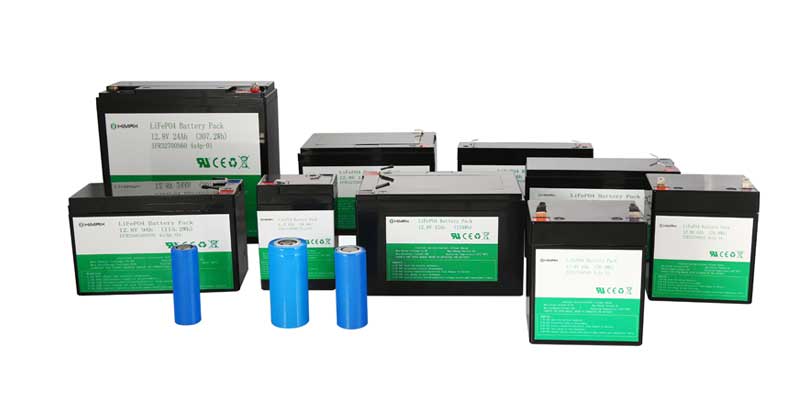
LiFePO4 batteries represent the highest performance category in solar lighting. They have superior thermal stability, longer lifespan, and more charge cycles compared to standard Li-ion cells. A LiFePO4 battery can often function for 3–7 years, making it ideal for heavy-duty applications such as solar street lighting, security lamps, and rural home lighting systems. They maintain stable voltage output over time, ensuring consistent brightness throughout the night. LiFePO4 batteries are also safer in high-temperature climates, which makes them excellent for tropical regions like India. They are more expensive than standard lithium-ion batteries, but the longer lifespan and durability justify the higher upfront cost for long-term users.
Lead-Acid Batteries
Sealed lead-acid (SLA) batteries are typically used in larger solar systems rather than small portable lamps. They are found in solar street lights, home lighting kits, and backup power systems. Lead-acid batteries offer high capacity and can support extended runtimes, but they are heavy, less efficient, and slower to charge. They also require periodic maintenance and have shorter cycle life compared to LiFePO4 batteries. Lead-acid batteries are most practical where weight is not a concern—for example, fixed installations in homes or streets rather than portable lanterns. Over time, lead-acid batteries are gradually being replaced by lithium-based solutions in solar lighting due to lithium’s superior performance and efficiency.
How to Choose the Right Battery for Solar Lamps
With these solar lamp battery types explained, choosing the right battery depends largely on usage:
- For study lamps, emergency lamps, and portable lanterns: Lithium-ion batteries offer the best balance between cost and performance.
- For camping and travel lamps: Lithium-ion and LiFePO4 batteries provide lightweight, long-lasting power.
- For solar street lights and rural home lighting systems: LiFePO4 batteries are the best choice due to durability and long cycle life.
- For decorative garden lighting: Ni-MH batteries are sufficient for low-power LED usage.
The choice depends on whether the user values runtime, lifespan, weight, or cost.
Final Verdict
Understanding the differences between battery chemistries helps users select better products and avoid disappointment. Ni-Cd and Ni-MH batteries serve basic needs, but lithium-ion and LiFePO4 batteries dominate modern solar lighting due to their efficiency, longer lifespan, and ability to support bright LEDs. Lead-acid batteries remain relevant for large fixed installations, although lithium solutions are gradually replacing them. With solar lamp battery types explained clearly, buyers can now evaluate lamp specifications more confidently and choose lighting solutions that meet their everyday needs—whether for education, emergency use, rural electrification, or outdoor adventure.