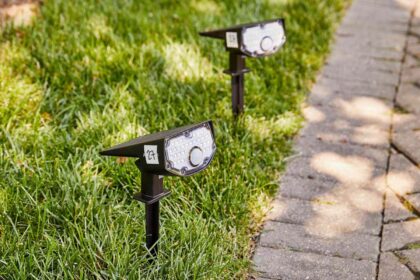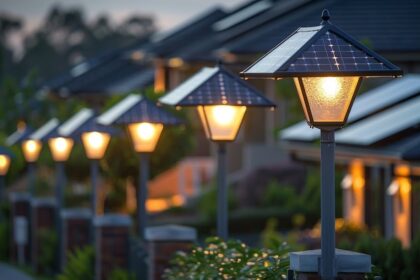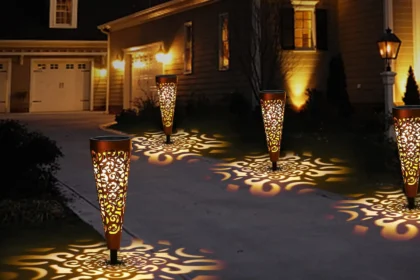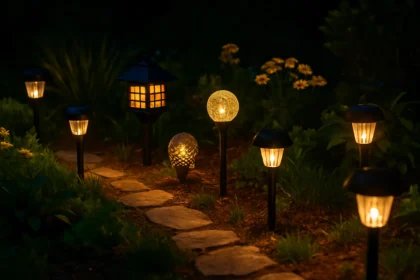

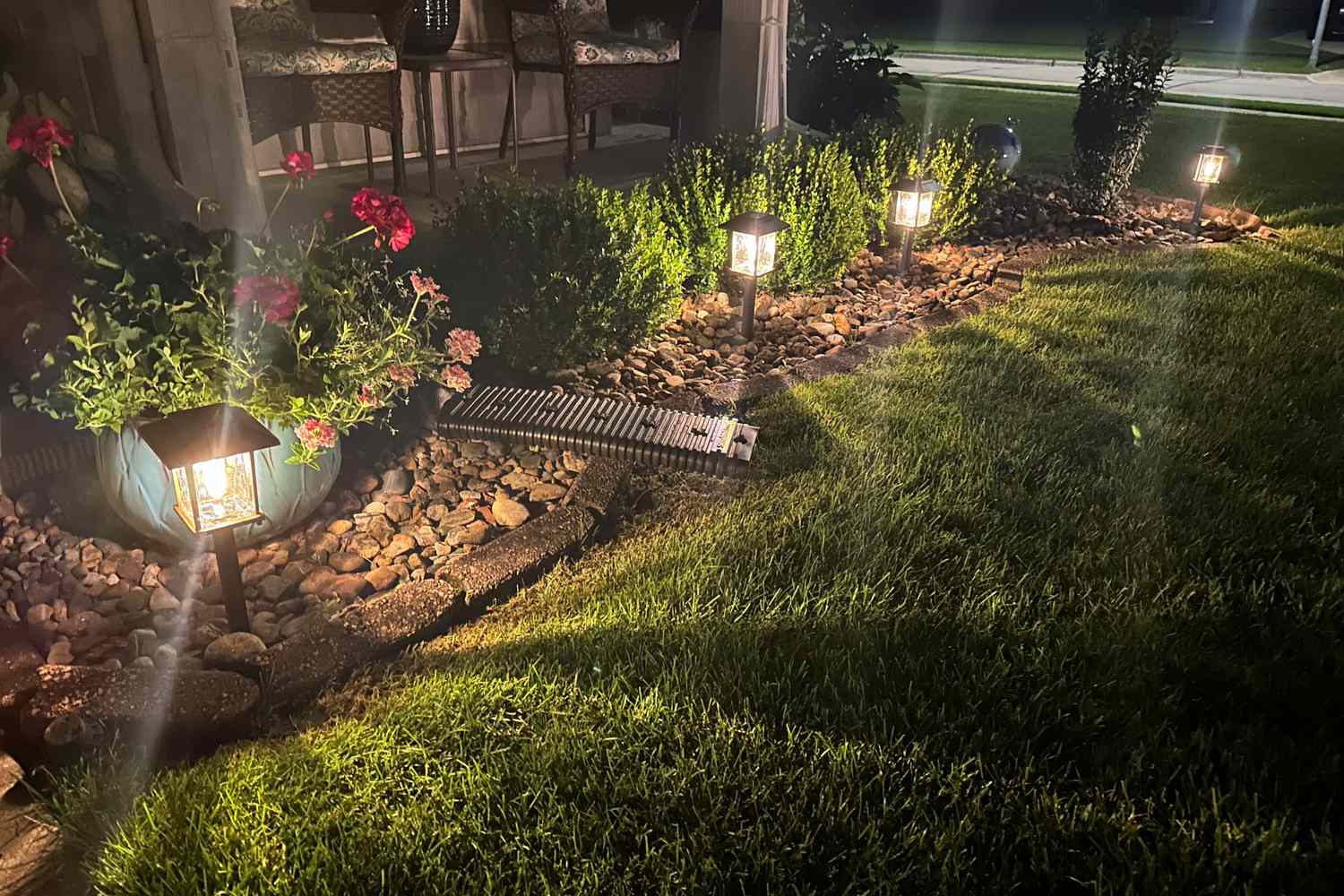
Gardening has become an increasingly popular hobby in modern households, especially with the rise of balcony gardens, terrace farming, indoor plant setups, and small backyard landscapes. As homeowners experiment with lighting to beautify their green spaces, a new question often arises: Do solar lights for plants help growth? While most people use solar lights mainly for decoration, there is growing curiosity about whether these lights can also benefit plant development, photosynthesis, or flowering. Understanding how plants respond to artificial light helps clarify whether solar lighting is useful for growth or only for aesthetics.
Plants rely on natural sunlight for photosynthesis, converting light energy into chemical energy that fuels growth. Sunlight contains a balanced spectrum that includes red and blue wavelengths, which are essential for plant functions. Artificial lighting systems used for plant cultivation—such as LED grow lights—are designed to mimic this natural spectrum. Solar garden lights, however, serve a different purpose. They are decorative and functional for outdoor illumination but are not engineered to match the specific light spectrum needed for plant growth. This distinction helps explain why solar lights look beautiful in gardens yet may not directly stimulate plant growth in the same way specialized grow lights do.
How Plants Respond to Sunlight vs Artificial Light
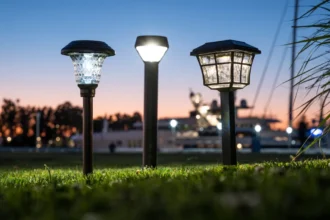
To understand the effect of solar lighting on plants, it is important to differentiate between solar garden lights and full-spectrum grow lights. Plants grow best under natural sunlight because it provides blue wavelengths for vegetative growth and red wavelengths for flowering and fruiting. LED grow lights replicate this spectrum to support indoor cultivation, hydroponics, and greenhouse farming. Meanwhile, most solar lights designed for outdoor decoration emit white or warm yellow light, which is pleasant to the human eye but lacks the optimized spectrum for photosynthesis.
This means solar garden lights are suitable for nighttime decoration, pathway illumination, and ambiance, but they are not a substitute for natural sunlight or dedicated grow lights. Plants illuminated by solar lights at night may experience extended photoperiods, but this is only relevant for specific plant species that rely on day length to trigger flowering. For most common garden plants, nighttime solar illumination does not impact growth in a significant way.
When Solar Lighting Can Influence Plant Behavior
Although solar garden lights cannot replace sunlight, they can influence plant behavior in certain cases. Some plants are categorized based on day length requirements: short-day plants, long-day plants, and day-neutral plants. Short-day plants such as chrysanthemums bloom when nights are long and uninterrupted. If exposed to light at night, they may delay flowering. On the other hand, long-day plants such as spinach or lettuce may benefit from extended light exposure to encourage vegetative growth. However, the lumen output of solar decorative lights is usually too low to produce major results.
In commercial agriculture and controlled indoor environments, growers rely on high-intensity grow lamps that deliver measured light output and wavelength-specific illumination. Solar garden lights are not engineered for this purpose; therefore, any effect on growth is indirect or minimal. For casual home gardens, plants will continue to grow normally using natural sunlight during the day, and nighttime solar lights remain primarily visual enhancements.
Benefits of Solar Lights in Home Gardens
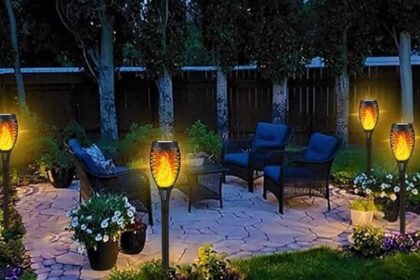
Even if solar lights for plants do not directly accelerate growth, they offer valuable benefits in home gardens. They make outdoor spaces accessible at night, allowing garden enthusiasts to enjoy their plants, host gatherings, or engage in hobby gardening after sunset. Solar lights also highlight plants, flowers, and landscape structures, making gardens attractive during festivals, family events, and weekend evenings. Another indirect benefit is safety—solar lighting illuminates pathways, reducing the risk of tripping over garden edges, soil mounds, or irrigation systems.
Some gardeners also report that consistent lighting can deter certain nocturnal pests from entering gardens, although this varies by region. In rural or suburban areas where wildlife activity is common, solar motion lights can protect vegetable patches, flower beds, and fruit plants by startling animals without harming them. These secondary benefits add practical value to solar lighting even if they do not contribute directly to plant growth.
Using Solar Lights as Supplemental Lighting
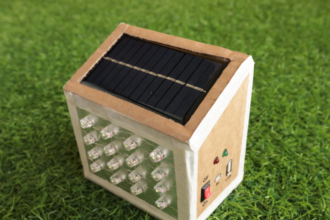
If homeowners want to supplement sunlight for indoor or shaded plants, dedicated grow lights are a more appropriate choice. Grow lights are designed with specific wavelengths—mainly red (660nm) and blue (450nm)—to support photosynthesis. Some modern solar-powered grow lamps exist, but they are different from standard decorative solar garden lights because they are built for horticultural use. These solar grow lights are more technical, requiring direct installation in greenhouses or balcony greenhouse setups.
For outdoor home gardens, however, natural daylight remains the primary source of energy for plants. Supplemental lighting is rarely necessary unless dealing with indoor tropical plants, winter cultivation, or hydroponic systems.
Final Verdict
So, do solar lights for plants help growth? The short answer is that solar decorative lights do not directly improve plant growth because they are not engineered to provide the specific light spectrum needed for photosynthesis. Their purpose is visual enhancement rather than agricultural support. Plants continue to depend on natural sunlight or specialized grow lighting for optimal development, flowering, and fruiting. However, solar lights offer aesthetic and practical benefits that enhance garden environments, extend usability into nighttime hours, and make outdoor spaces more enjoyable and functional. For homeowners who care about both beauty and sustainability, solar lighting remains an excellent addition to home gardens, even if its role is decorative rather than biological.